
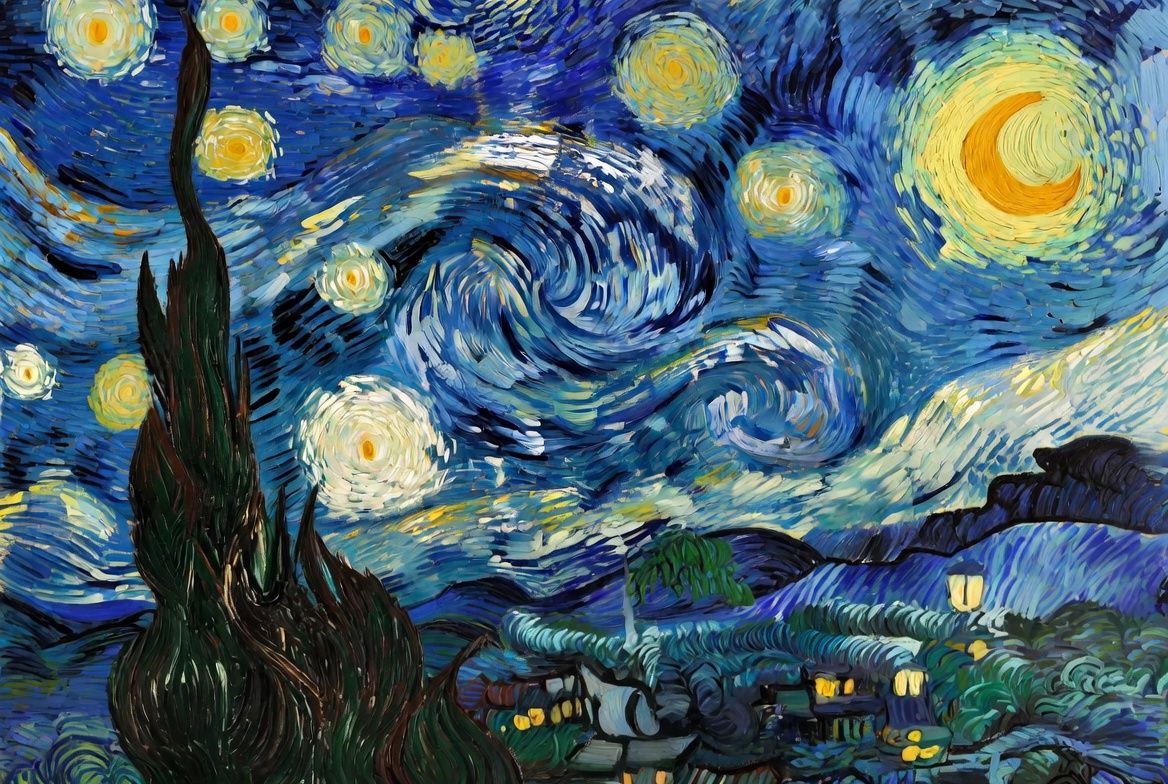

The 10:47 PM Panic
You’re lying there, staring at the ceiling, and your brain suddenly decides to solve tomorrow’s problems, replay that awkward conversation from 2013, and wonder if you turned off the living room light—all at once. It’s 10:47 PM, you have to be up in seven hours, and sleep feels about as likely as winning the lottery you forgot to enter.
This is the moment that exposes the flaw in how we treat rest. We schedule our workdays with military precision, optimize our morning routines for maximum productivity, and then expect our minds to simply switch off like a bedroom lamp the instant our heads hit the pillow. But brains don’t work like light switches. They work like airplanes: you can’t drop from 30,000 feet to the runway without a gradual descent.
The research is unequivocal on this point, even if scientists still argue over the exact mechanics. What sleep researchers call «sleep hygiene»—though that clinical term hardly captures the poetry of the practice—boils down to one biological truth: your evening hours are not the end of your day. They are the beginning of your tomorrow.
The Ritual That Resets Your Biology
Here’s where it gets interesting. Your body isn’t just passively waiting for fatigue to knock you unconscious. It’s actively listening for cues—temperature drops, light dimming, activity slowing—to trigger the hormonal cascade that ushers in sleep. When you follow the same sequence of behaviors each night, you’re essentially sending a telegram to your suprachiasmatic nucleus (your brain’s timekeeper) that says: *The world is safe. You can stand down now.*
Chronobiologists have found that consistency beats intensity every time. Going to bed at 11 PM one night and 2 AM the next—even if you sleep eight hours both nights—fractures your circadian rhythm the way jet lag does. But the reverse is also true. Studies consistently show that people who keep their bedtime within a 30-minute window experience deeper sleep and report fewer symptoms of anxiety and depression, regardless of how many hours they actually log.
This isn’t about becoming the kind of person who drinks chamomile tea while doing restorative yoga—unless that’s your thing. The structure itself is the medicine. Reading ten pages of a paperback. Washing your face in the same order every night. Taking the dog on the same loop around the block. These aren’t wellness affectations; they’re biological signals that lower cortisol and nudge melatonin production into gear.
The Blue Light Heist
But that’s only half the story. The real culprit in your evening insomnia might fit in your pocket. When researchers measure the impact of evening screen use, the data paints a troubling picture: the blue-enriched light from phones and tablets suppresses melatonin production for up to three hours after exposure. It’s not just about the light, though. The content—emails, news cycles, infinite scrolling—keeps your cognitive arousal dialed up to «daytime mode.»
Think of your mind like a pot of water on a stove. All day, it simmers—emails, deadlines, traffic, that text you need to answer. Your phone keeps the burner on high, even when you’re horizontal and supposedly resting. The National Sleep Foundation’s guidelines suggest a «digital detox» starting 60 minutes before bed, but neuroscientists tracking pre-sleep brain activity suggest the threshold might be closer to 90 minutes for people prone to racing thoughts.
The paradox? We use our phones to «unwind» because they feel passive compared to work. But to your brain, checking Instagram is still information processing. It’s still data input. And input requires analysis, which requires wakefulness.
Setting the Stage for Surrender
If the routine is the script, your bedroom is the set design, and the details matter more than you might think. Sleep medicine specialists have identified three environmental pillars that can make or break your mental reset: temperature, darkness, and sensory neutrality.
Your core body temperature needs to drop by approximately two to three degrees to initiate sleep—that’s why you flip the pillow to the cool side. A bedroom set between 60 and 67 degrees Fahrenheit (15-19°C) signals your body that it’s time to enter hibernation mode. Meanwhile, even small amounts of light—LED indicators, street lamps leaking around curtains—can disrupt REM sleep architecture and increase next-day grogginess by up to 20%, according to sleep clinic measurements.
But here’s the tactile detail most people miss: it’s not just about removing irritation (noise, light, heat). It’s about adding positive sensory cues that bypass your verbal brain entirely. The scent of lavender or sandalwood activates the limbic system—the emotional control center—directly, lowering heart rate without requiring you to «think» your way into relaxation. White noise machines don’t just mask disruptive sounds; they create a predictable auditory blanket that registers as safety to your threat-detection systems.
When the Mind Refuses to Quiet
Of course, a cold, dark room and a consistent bedtime won’t stop the 3 AM anxiety spiral if your mind is determined to rehearse tomorrow’s presentation. This is where the evening routine reveals its psychological dimension.
Mental health researchers have found that structured «cognitive off-loading» in the evening significantly reduces pre-sleep arousal. That might mean journaling for five minutes—not to create a memoir, but to literally deposit your worries onto the page so your brain stops holding them in working memory. Or it might involve gratitude reflection, which sounds like Instagram fluff but actually shifts neural activity from the amygdala (threat detection) to the prefrontal cortex (rational processing).
Progressive muscle relaxation—tensing and releasing muscle groups from toes to forehead—works because anxiety lives in the body as much as the mind. You can’t have a panic attack while your muscles are physically slack. Some people find that mindful breathing acts as a «hard reset» for the nervous system, though the research here gets complicated: for individuals with trauma histories or certain anxiety disorders, focusing inward can actually increase distress rather than reduce it.
The Honest Truth: Your Mileage May Vary
Here is where we need to be precise about what we don’t know. While the general principles of sleep science—regularity, darkness, cooling down—hold true across populations, the specific *ritual* that works is stubbornly individual. One person might find that reading fiction induces sleep within ten minutes, while another finds themselves devouring «just one more chapter» until 2 AM. Meditation might calm your partner into a deep slumber while leaving you meticulously cataloguing every embarrassing thing you’ve ever said.
The research consensus stops at the threshold of your personal biology and psychology. We know screens disrupt sleep architecture, but we don’t know if *your* specific brain can handle 30 minutes of TV versus 60. We know cool rooms help, but if you have Raynaud’s syndrome or certain thyroid conditions, that advice might backfire.
What this means practically: treat the evening routine not as a prescription to follow perfectly, but as an experiment to conduct. Try the 60-minute phone ban for a week. Notice if you actually sleep better, or if you just lie there resentful and bored. Test whether journaling clears your mind or turns into rumination with better penmanship.
The goal isn’t to become the kind of person who has a three-hour wind-down ritual involving sage burning and sleep trackers. The goal is to stop treating the hours between dinner and bed as dead time, and start recognizing them as the architecture that holds up your mental health. Your evenings are not the leftovers of your day. They are the foundation of your resilience.
Start tonight. Not with perfection, but with one signal—a dimmed light, a phone left in another room, a single deep breath—that tells your biology: *I am landing this plane now.*



