

The Stranger You Can’t Stand Is Probably You
That coworker who dominates every meeting with theatrical sighs and desperate grabs for attention—you know the one. You’ve spent hours dissecting their narcissism with friends, rehearsing cutting remarks in the shower, mapping their psychological deficiencies with the precision of a forensic detective.
But Carl Jung would suggest you stop investigating them and start interrogating yourself.
According to the Swiss psychiatrist’s theory of the shadow self, the traits that trigger volcanic irritation in us are often disowned fragments of our own psyche—parts we exiled because they felt too shameful, too vulnerable, or simply too dangerous to own. When you feel that spike of rage at someone else’s arrogance, Jung argued, you’re usually witnessing a performance of your own rejected possibilities. «Everything that irritates us about others can lead us to an understanding of ourselves,» he wrote, capturing what might be the most uncomfortable truth in psychology: your enemies are your unacknowledged twins.
The Basement of the Mind
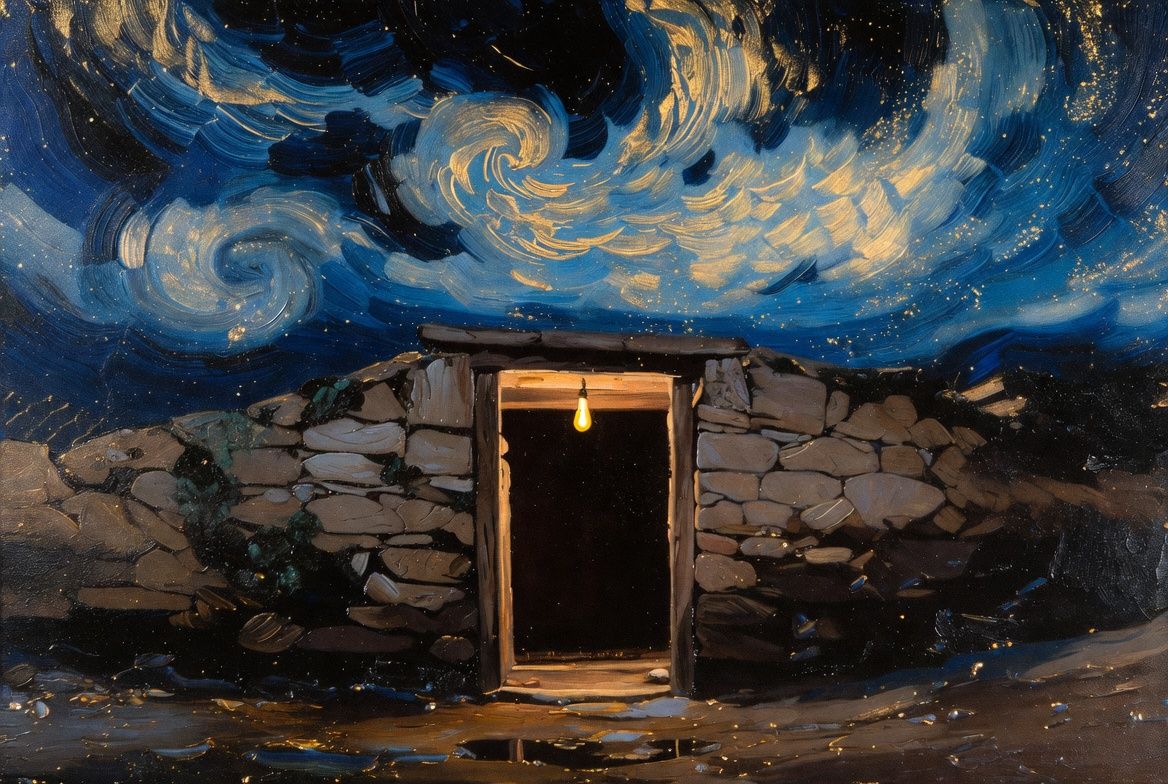
Jung envisioned the psyche as a house with a basement most of us never visit. Down there lives the shadow—not evil, exactly, but everything you’ve pushed downstairs to keep the upstairs presentable. The aggression you suppress to maintain your «nice guy» image. The ambition you deny because wanting success feels greedy. The sexuality, the pettiness, the irrational rages.
The problem isn’t that these parts exist; it’s that they don’t stay in the basement. They leak up through the floorboards in disguised forms. You find yourself mysteriously sabotaging relationships just as they get serious. You binge behaviors you swore off, then wonder who was driving the car. Jung captured this automation with chilling precision: «Until you make the unconscious conscious, it will direct your life, and you will call it fate.»
This is where shadow work journaling enters—not as another wellness trend promising seven-day transformations, but as a flashlight for exploring that basement with your eyes open.
The Writing That Exposes the Trick
The practice hinges on a mechanism called projection, which works like a sleight-of-hand trick the mind plays on itself. When you can’t tolerate a quality in yourself—say, selfishness or neediness—you unconsciously paste that trait onto someone else, then despise them for carrying it. The journal becomes the tool for catching the trick in real-time.
Start with the question that sounds simple but lands like a gut punch: «What frustrates or triggers me in others?» Don’t answer with your therapist hat on. Write about the neighbor who «thinks they’re better than everyone,» the friend who «demands too much attention,» the stranger whose voice «grates because they’re so fake.» Then—and this is where it gets interesting—ask what it would cost you to admit those same behaviors in yourself. What would happen if you admitted you also want to be thought superior? That you also crave attention you pretend not to need?
Another prompt cuts deeper: «What part of myself do I refuse to accept?» Here, the journal transforms into a dialogue. Jungian practitioners suggest writing a letter from your shadow to yourself—not the sanitised version, but the voice that whispers the things you’d never post on social media. What does it want? What is it tired of hiding? This isn’t self-indulgence; it’s reconnaissance. You’re mapping the territory you normally navigate blindfolded.
But Here’s the Paradox
If this sounds like another «love yourself» prescription, the reality proves messier. Shadow work isn’t about eliminating your darkness or converting it into light. Jung specifically warned against suppression—the «white shadow» of toxic positivity that tries to meditate away anger or journal away grief. Integration means carrying contradictions without collapsing. It means owning that you can be simultaneously generous and calculating, tender and cruel, the responsible friend who also wants to burn the whole building down.
The journal reveals this through patterns, not epiphanies. When you track «When did I feel most ashamed or guilty?» across weeks, you start seeing the puppet strings. That time you avoided conflict to keep the peace—was it maturity, or was it your shadow’s people-pleasing pattern keeping you safe from exposure? The dream that feels «too dark to share»—what if it’s not a prophecy but a rejected desire knocking to be heard?
The Catch No One Markets
Yet there’s a shadow over shadow work itself. For all its utility, Jung’s framework carries significant blind spots that modern practitioners must navigate. Critics point out that Jung developed these concepts in early 20th-century Europe, largely ignoring how culture and systemic oppression shape what gets labeled «shadow.» What society forces a marginalized person to suppress as «unacceptable» might be healthy survival, not neurosis. Rage in the face of injustice isn’t necessarily projection—sometimes it’s appropriate response.
The research emphasizes that shadow work is not a quick fix but a lifelong architecture. Worse, for those with deep trauma, unsupervised journaling risks re-traumatization—revisiting wounds without the container of therapeutic support. The basement, after all, contains more than repressed personality traits; it stores actual horror. The recommendation here isn’t cautious boilerplate: if you’re uncovering material that destabilizes your daily functioning, the journal should be paired with professional support, ideally from trauma-informed practitioners who can hold space for what spills out.
Integration, Not Perfection
So what does success look like? It isn’t becoming a saint. It’s catching the projection in real-time—that split-second where you realize your hatred for your sister’s «selfishness» is actually jealousy at her boundary-setting, which you’ve labeled villainous because you can’t yet allow yourself the same permission.
Shadow work journaling succeeds when you stop calling unconscious patterns «fate.» When you can write about the role you perform—the «responsible one,» the «easygoing friend»—and sense the gap between that costume and the complicated person underneath. When you can sit with the ambiguity of not fully understanding yourself yet, because shadows thrive in the demand for immediate clarity.
Try this: For seven days, alternate between tracking what triggers you in others and asking what you refuse to accept in yourself. Don’t resolve the contradictions. Just map them. Notice the themes that recur—the specific flavor of your rejections, the particular shape of your hidden hungers.
The goal isn’t to evict the basement dwellers. It’s to stop being haunted by them. When you bring the shadow into the negotiation, you stop handing it the wheel while pretending you’re steering. And that—finally—is where your actual life begins.



