

The Empty Promise of Emotional Mastery
You click the link expecting the secret. «Master Your Moods,» the headline promised. Instead, you get a loading icon spinning into infinity—a placeholder where the solution should be.
It’s a fitting metaphor. When I went looking for the specific DBT techniques that supposedly offer total mood control, the sources dried up like abandoned links. But that absence reveals something important: the very idea of «mastering» your emotions might be the problem. Genuine emotional regulation isn’t about domination or optimization. It’s about negotiation with a part of your brain that doesn’t speak the language of commands.
What You’re Actually Up Against
Marsha Linehan, the psychologist who developed Dialectical Behavior Therapy (DBT) in the 1990s, never promised mastery. She designed DBT for people experiencing emotional intensity so severe that standard therapy failed them—those whose feelings arrived like tsunamis without weather warnings. The «dialectical» part is crucial: it means holding two truths at once. You can accept your current emotional state completely while simultaneously working to change it.
This isn’t the same as «emotional intelligence» as corporate training defines it. That framework often treats feelings as data points to be optimized, like turning down the volume on a stereo. DBT takes a messier view. Your emotions are biological responses shaped by evolution and personal history. You don’t master them; you learn to surf them without drowning.
Check the Facts Before You Trust the Feeling
Here is where most of us stumble: emotions love to masquerade as facts. Your chest tightens, and your brain insists, «I’m in danger» or «They hate me» or «This is impossible.» The first DBT skill is surgical and uncomfortable: isolate the emotion, then audit it like a skeptical journalist.
What actually happened? What interpretations did you add? What assumptions fill the gaps between observation and conclusion? Research on affect labeling—literally saying «I am feeling anxious» rather than «I am anxious»—shows that naming the emotion reduces activity in the amygdala, the brain’s alarm system. It’s not positive thinking; it is accurate thinking. You are building a gap between stimulus and response, and in that gap lives your freedom.
Opposite Action: The Paradox of Movement
But what happens when the facts check out and the feeling remains? Maybe the rejection was real. Maybe the threat is genuine. Or maybe your depression is simply lying to you today, telling you to stay under the covers until the world disappears.
This is where DBT deploys opposite action. The principle is behavioral physics: emotion and action form a feedback loop. When depression tells you to retreat, isolation reinforces the depression. When anger urges you to explode, the explosion fuels the anger.
Opposite action means identifying the action urge—to hide, to yell, to quit—and doing its physical mirror image. Not because you feel like it, but precisely because you don’t. Depression urges collapse; you take a walk. Anxiety urges avoidance; you approach. But here is the critical caveat that separates DBT from toxic positivity: you only use opposite action when the emotion does not fit the facts. You don’t use it when your house is actually on fire. You use it when your anxiety is lying about the fire.
Reducing Vulnerability Isn’t Glamorous
The technique nobody wants to hear about is the one that works most reliably. Linehan called it «reducing vulnerability to emotion mind,» but you might know it as the boring maintenance work of being human. The acronym is PLEASE: treat Physical iLlness, balance Eating, avoid mood-Altering substances, balance Sleep, get Exercise.
It sounds like your grandmother’s advice because it is biological reality. Linehan’s research and subsequent studies show that blood sugar crashes and sleep deprivation don’t just make you irritable—they lower the threshold for emotional explosion. Skip two meals, and your capacity to regulate drops by half. The technique isn’t sexy, but it’s robust. You cannot negotiate with your moods while running on three hours of sleep.
The Honest Limit
Here is what the empty links and broken promises won’t tell you: these techniques will fail. You will use check the facts and still believe the lie. You will try opposite action and still feel like drowning. That isn’t user error; it is the nature of being human in a chaotic world.
DBT works not because it delivers mastery, but because it delivers options. When your mood insists on chaos, you have a checklist rather than a collapse. The skills don’t promise to stop the storm; they change how you stand in it.
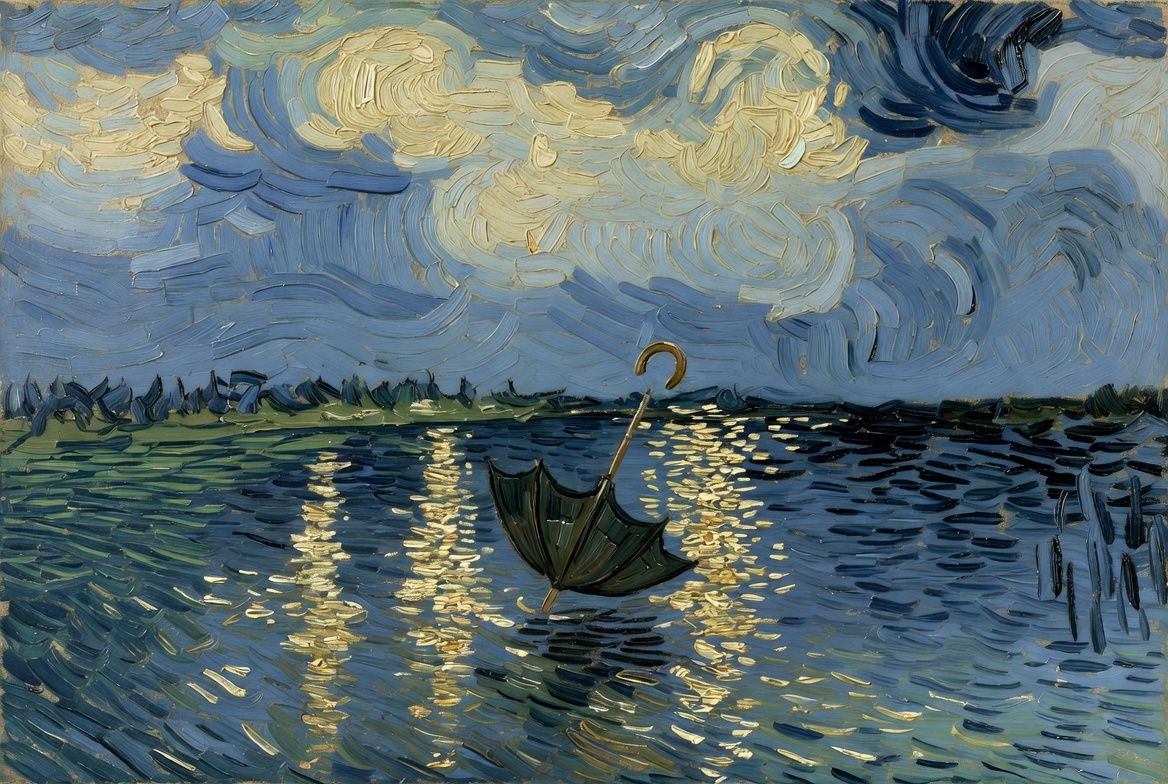
The «master your moods» industry wants you to believe feelings are enemies to conquer, territory to claim. The evidence suggests they are weather systems—complex, sometimes destructive, sometimes beautiful, and utterly indifferent to your commands. You don’t master the rain. You learn to check the forecast, carry an umbrella, and sometimes, stand in the downpour without pretending it’s sunny.



