
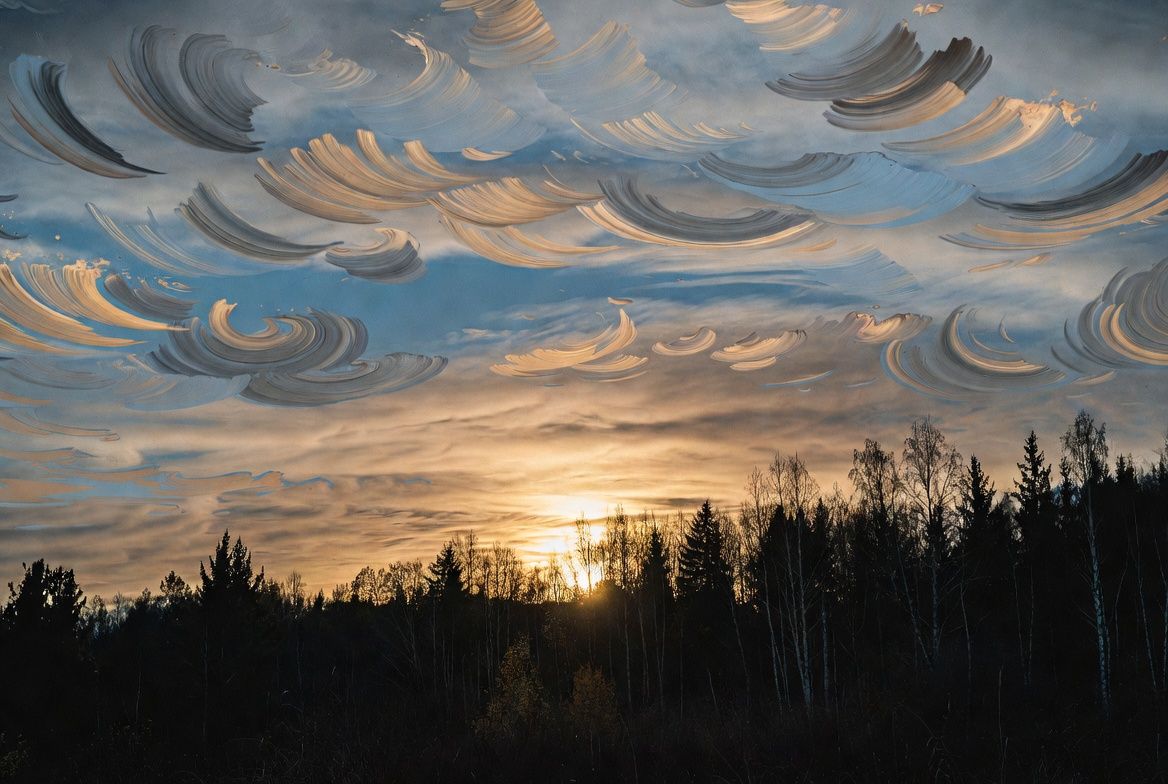

The sun sets at 4:47 PM, and Sarah feels the shift in her brain chemistry before she checks the clock. Not sadness, exactly—something heavier. A gravitational pull toward the couch, toward carbohydrates, toward sleep. By February, she’ll be sleeping ten hours a night and still feel like she’s moving through oatmeal.
Sarah isn’t lazy, and she’s not imagining things. She’s among the roughly 4–6% of American adults who experience Seasonal Affective Disorder (SAD), a recurrent depression tied not to trauma or circumstance, but to the angle of the earth.
The Biology of Going Dormant
Most people underestimate winter depression because they’ve experienced the “winter blues”—a mild, situational moping that lifts with a sunny weekend. But SAD operates on different machinery entirely. When sunlight exposure drops, the brain’s circadian clock malfunctions like a watch submerged in water.
Research from Harvard Medical School confirms what patients describe: reduced light disrupts the suprachiasmatic nucleus—the brain’s timekeeper—triggering a cascade of hormonal chaos. Melatonin, the sleep hormone, surges inappropriately during the day, while serotonin, the mood stabilizer, plummets. The result is a suite of symptoms that look less like traditional depression and more like a failed attempt at hibernation.
According to the Mayo Clinic, 80% of SAD cases report hypersomnia—sleeping excessively—alongside a leaden fatigue that makes simple tasks feel like physical labor. Then there’s the carbohydrate craving: not just comfort eating, but a biological drive for starches that temporarily boosts serotonin. TheJournal of Affective Disorders linked these cravings to specific dysregulation in tryptophan metabolism, meaning the bag of pretzels isn’t just a treat—it’s self-medication for a neurotransmitter deficit.
The Geography of Misery
But here’s where the story takes a geographic twist: SAD isn’t distributed randomly. The prevalence spikes with latitude. Live in Florida? Your risk is relatively low. Live in Seattle or Anchorage? You’re in the crosshairs. Harvard researchers documented this gradient clearly: the further you are from the equator, the higher the incidence, suggesting we’re witnessing an evolutionary mismatch—brains built for equatorial daylight struggling to adapt to civil twilight at 3:30 PM.
Family history compounds the risk. If a parent or sibling has SAD, your odds increase significantly, hinting at genetic vulnerabilities in circadian or photoreceptor function. It’s not weakness; it’s wiring.
Light as Medicine
This brings us to the treatment that sounds like pseudoscience but boasts some of the strongest evidence in psychiatry: light therapy.
Dr. Norman Rosenthal, the psychiatrist who first described SAD in the 1980s, explains the mechanism simply: “Light therapy resets circadian clocks by suppressing melatonin secretion in the morning.” In plain terms? Trick your brain into thinking it’s June.
The protocol is surprisingly specific. Cochrane Reviews—which synthesize medical evidence with ruthless rigor—cite a 60–80% response rate for patients using 10,000 lux light boxes for 30 minutes each morning. That’s not a gentle desk lamp; it’s medical-grade brightness. Place it 16–24 inches from your face, eyes open (but don’t stare directly), and let the photons hammer your retinas. Within days to weeks, the brain’s serotonin transporters downregulate, melatonin secretion normalizes, and the fog lifts.
Rewiring the Brain for the Long Haul
Light works quickly, but it’s maintenance, not insurance. For lasting protection, cognitive behavioral therapy (CBT) tailored for SAD shows remarkable staying power. A 2021 study in *JAMA Psychiatry* found that patients who underwent CBT-SAD (which focuses on behavioral activation and reframing negative thoughts about winter) reduced their relapse rates by roughly 50% compared to light therapy alone the following year.
Unlike lights, which you pack away in April, CBT teaches skills that persist. The approach targets the “hibernation mode” directly: scheduling outdoor activities during daylight hours, challenging the belief that winter is a time to shut down, and breaking the social withdrawal that amplifies the depression.
The Vitamin D Question Mark
Now for the complication. Walk into any pharmacy in October and you’ll see shelves of vitamin D marketed explicitly for winter mood. The logic seems sound: less sun equals less vitamin D synthesis equals depression. But the data? It’s messy.
Some studies show modest benefits; others show none. The research remains inconclusive, with PubMed analyses in 2023 noting significant variability in study designs and populations. While vitamin D supplementation carries low risk and some patients swear by it, the American Psychiatric Association stops short of endorsing it as a primary treatment. Think of it as optional armor, not standard-issue equipment.
Building Your Own Dawn
So what does a battle plan look like for someone watching the November horizon?
Start with the obvious: maximize what light exists. Behavioral activation—scheduling a 20-minute walk during peak daylight, even under gray skies—provides more lux than indoor lighting. For the truly afflicted, dawn simulators (alarm clocks that gradually brighten your bedroom) can ease the cortisol spike of dark winter mornings, preventing the jarring wake-up that triggers “sleep inertia.”
Environment matters. Move your desk near a window. Don’t dismiss the light box because it feels clinical; the 10,000 lux device is literally pharmaceutical illumination.
And if the carbohydrate cravings hit? Understand them as biochemical signals, not moral failings. Pair the carbs with protein to slow the insulin spike, or substitute them with tryptophan-rich alternatives like turkey or eggs that support serotonin without the blood sugar crash.
The Clock Is Running, But It’s Treatable
The paradox of SAD is that it’s highly predictable yet poorly understood by those who don’t suffer it. The depression arrives with the stability of a calendar, which means treatment can start before the symptoms do. Starting light therapy in September, while the brain is still producing adequate serotonin, can prevent the slide entirely rather than dragging you out of the pit in January.
The research is clear and the confidence is high: this is not a character flaw, a lack of gratitude, or a failure to appreciate “cozy season.” It is a measurable, biological response to celestial mechanics. And luckily, we have tools—light boxes that mimic the sun, therapies that rewire thought patterns, and a growing understanding of circadian biology—that can turn those short winter days from a sentence into a season you simply experience, rather than endure.



