
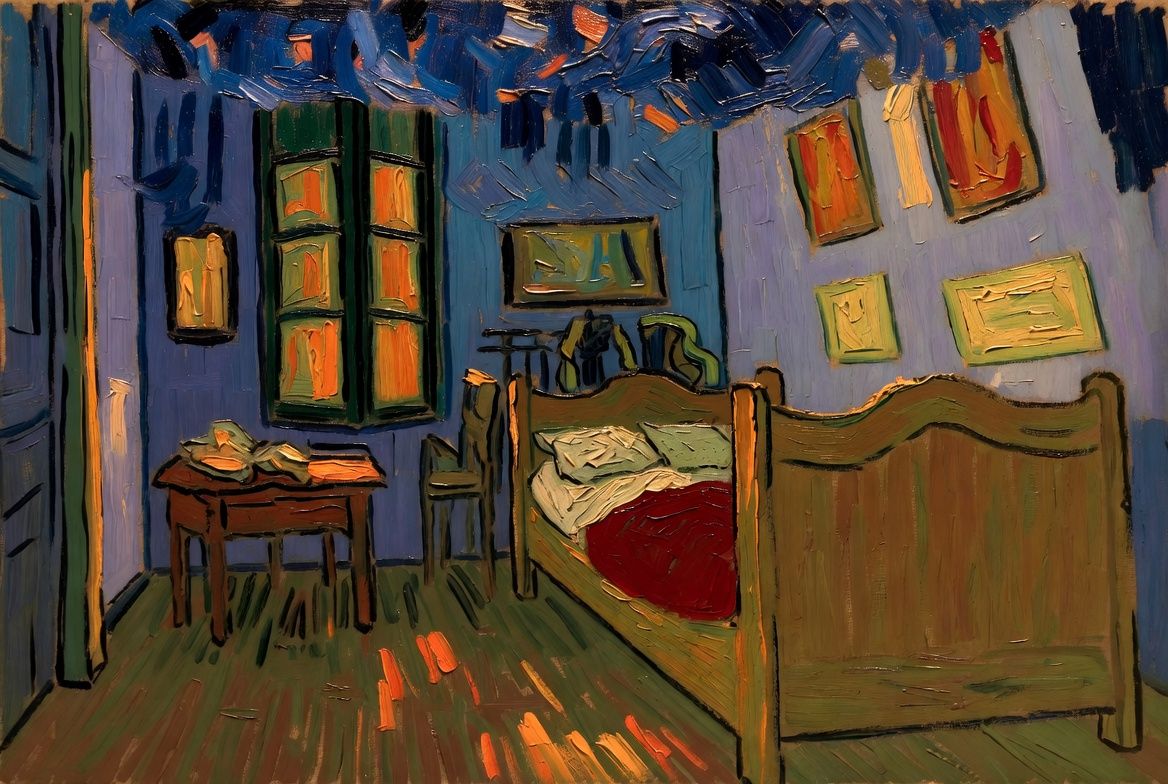

It’s a classic, isn’t it? You collapse onto the mattress at midnight with every intention of a deep, replenishing sleep, yet your brain buzzes like it’s been plugged into a wall socket. The irony is brutal: the harder you try to rest, the more elusive it becomes.
The real kicker? Your body isn’t failing you; it’s following orders—the wrong ones. Modern life has effectively hacked our circadian software, leaving millions staring at ceilings while their biology screams for daylight protocols. But here’s the hopeful twist: science has reverse-engineered the hack, and a few precise adjustments can shift your sleep architecture dramatically, starting tonight.
The Melatonin Heist Happening on Your Nightstand
Let’s start with the crime scene: your phone. That gentle blue glow scrolling through midnight feeds is actually a biochemical mugging. Harvard Medical School researchers confirmed that the short-wavelength blue light pouring from screens suppresses melatonin—the hormone that whispers “sleep now” to your brain—by 30% to 50% during evening hours. It’s the neurological equivalent of someone shaking you awake every few minutes while you’re trying to drift off.
But simply «using your phone less» is a fantasy for most. Here’s the tactical fix: activate Night Shift (iOS) or f.lux (desktop) at least two hours before your target bedtime. These filters don’t just dim the screen; they shift the color temperature toward amber wavelengths that bypass the retinal ganglion cells responsible for alerting your suprachiasmatic nucleus—that tiny brain region acting as your biological clock. Think of it as installing a dimmer switch for your nervous system.
The Temperature Gambit
Now, step into your bedroom. If you’re keeping it at a cozy 72°F (22°C), you’re sabotaging the process before you close your eyes. The human body initiates sleep by dropping its core temperature by approximately 1 to 2 degrees Celsius—a signal that mimics the dusk of our evolutionary past. Research consistently lands on a surprisingly chilly ideal: between 60 and 67°F (15-19°C).
Why the cold shoulder? Cool environments facilitate the vasodilation in your extremities that allows heat to escape your core. It’s counterintuitive—nobody craves freezing toes—but a cooler room acts like a physiological trigger, telling your hypothalamus that nighttime has arrived. If you’re serious, invest in breathable linen and a programmable thermostat that drops the temperature thirty minutes before bedtime. It’s cheaper than sleeping pills and remarkably more effective.
The Caffeine Ghost Still Haunting Your 3 PM Break
Here’s where timing gets ruthless. That innocent afternoon latte—consumed at 3 PM—contains enough caffeine to block your adenosine receptors for up to six hours. Adenosine isn’t just «sleepiness chemical #7»; it’s the accumulating pressure that builds throughout your day, eventually demanding payment. When caffeine parks itself in those receptor slots, it’s like jamming a chair under the door handle of your sleep drive.
The science from the *Journal of Clinical Sleep Medicine* is unambiguous: even if caffeine doesn’t prevent you from falling asleep, it fragments your deep sleep stages, leaving you chemically rested but architecturally deprived. The brutal verdict? If you want quality sleep tonight, your last coffee should have been before noon. Switch to chamomile, which contains apigenin—a compound that binds to benzodiazepine receptors in your brain naturally—or warm milk, which provides tryptophan without the stimulatory backlash.
The 4-7-8 Breathing-Less Negotiation
But what if your body is tired and your mind refuses to follow? This is cognitive arousal—the psychological static of replaying conversations or catastrophizing about tomorrow. The American Psychological Association reviewed the literature and found that diaphragmatic breathing reduces pre-sleep cognitive arousal in roughly 80% of relevant studies, making it the single most reliable short-term intervention for a racing mind.
Here is the specific protocol developed by Dr. Andrew Weil, grounded in pranayama traditions but validated by modern physiology: inhale quietly through your nose for four seconds, hold that breath for seven seconds (this passive retention allows oxygen to saturate and slows the heart rate), then exhale audibly through your mouth for eight seconds. The extended exhalation activates the parasympathetic nervous system—your «rest and digest» mode—while the counting occupies the default mode network that otherwise generates rumination. Four cycles of this often produce physiological changes detectable on heart rate variability monitors within ninety seconds. It’s not meditation mysticism; it’s applied neurology.
Why Your Weekend Lie-In Is Stealing Monday’s Sleep
Perhaps the most controversial advice: abandon the Sunday morning sleep-in. The University of Michigan’s 2023 data revealed that maintaining a consistent wake time—within a thirty-minute window, weekdays and weekends alike—improves sleep efficiency by 15%. Why? Because your circadian rhythm doesn’t recognize Saturdays.
When you sleep until noon on Sunday, you create «social jetlag»—shifting your biological clock westward by several time zones, only to slam it back east when Monday’s alarm rings. The result is a perpetual state of minor withdrawal, akin to weekly transcontinental travel. The discipline of a fixed wake time trains your suprachiasmatic nucleus to release cortisol (your morning alertness hormone) and melatonin with Swiss precision. Yes, you’ll feel groggy for a few mornings. But within a week, you’ll notice something strange: you’ll start getting sleepy at the same time each night, without coercion.
The Complicated Case of the Afternoon Nap
A brief word on naps: they’re divisive. While a twenty-minute power nap can restore alertness for the genuinely sleep-deprived, for chronic insomniacs, napping is like snacking before dinner—it steals your appetite for the main event. If you struggle to fall asleep before midnight, eliminate naps entirely for two weeks. If you’re merely recovering from one rough night, keep it under twenty minutes and finish before 2 PM to protect your adenosine debt for the evening.
Your Tactical Plan for Tonight
So where do you start? The research suggests a hierarchy of impact.
Tonight: Disable blue light on every device you own and drop your bedroom thermostat by three degrees. These require zero skill and no behavioral discipline beyond adjusting a setting.
Tomorrow: Set a coffee cutoff at 2 PM if you must, noon if you can manage it.
By day three: Introduce the 4-7-8 breathing protocol as you lie in the dark.
Track your results if you’re data-driven—wearables like the Oura Ring or even subjective morning ratings work—but give each variable a full week before judging. Sleep is a system, not a switch.
And here’s the crucial caveat: If you’re still struggling more than three nights per week after a month of these tactical adjustments, consult a specialist in Cognitive Behavioral Therapy for Insomnia (CBT-I). Unlike medication, CBT-I rewrites the neural associations that keep your brain treating the bed like a war room rather than a sanctuary.
Sleep isn’t failure or indulgence. It’s the neurological maintenance your biology demands. Treat it like the non-negotiable protocol it is, and the rest follows.



