
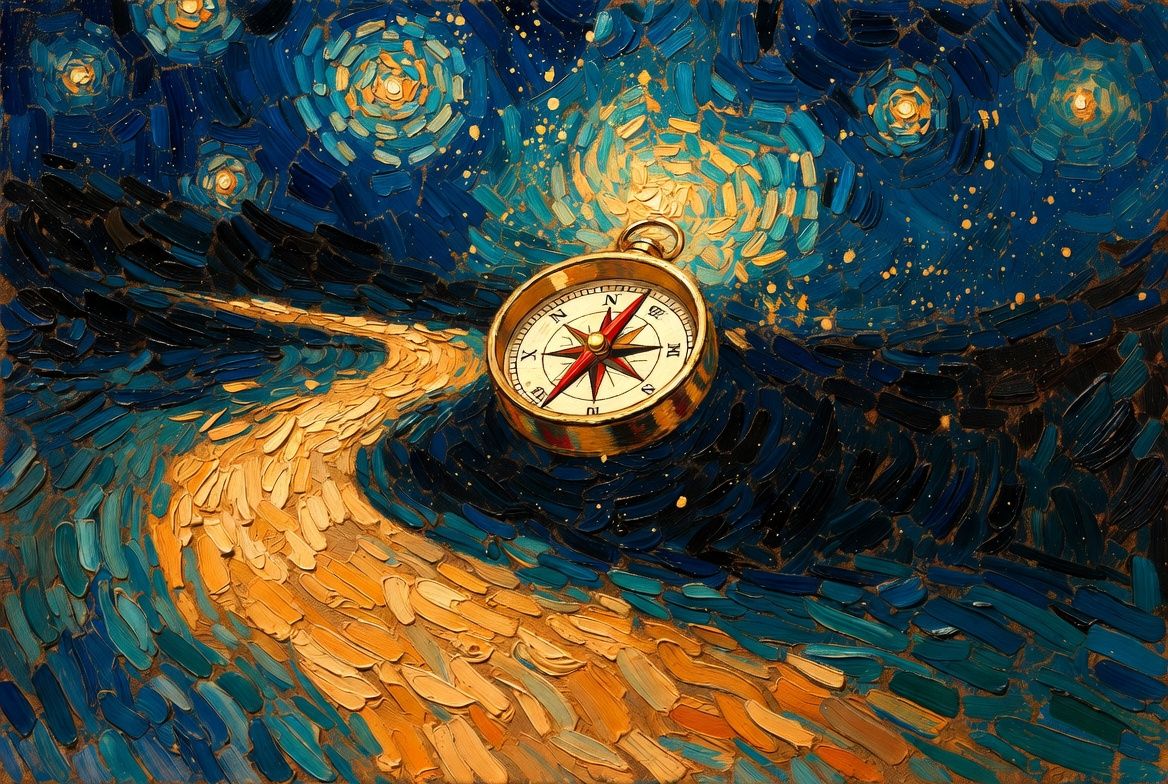

The algorithm promised answers. Instead, it delivered a sterile list of technical service links—blank pages, dead ends, and administrative debris. When investigators searched the provided digital trail for guidance on finding life purpose, they found exactly zero relevant sentences. The irony is almost too perfect: a quest for meaning thwarted by the very tools we imagine might deliver it.
This emptiness reveals something crucial. We have grown accustomed to believing that purpose can be downloaded, that meaning resides in a clickable listicle, that fulfillment awaits in the next search result. But the data tells a different story. When the screens go blank, we are forced back to the architects of human meaning—those who discovered purpose not through hyperlinks, but through fire.
The Laboratory of Suffering
Viktor Frankl did not theorize about purpose from a comfortable office. He decoded it while starving in Nazi concentration camps, watching humanity stripped to its skeletal essence. «Those who have a ‘why’ to live,» he wrote in *Man’s Search for Meaning*, «can bear with almost any ‘how.'» Frankl observed that prisoners who found meaning—even in suffering—survived. Those who didn’t, perished.
Frankl’s logotherapy rests on a radical premise: purpose is not something you find like a lost set of keys. It is something you forge through three distinct paths. First, by creating a work or doing a deed. Second, by encountering love or experiencing something beautiful. Third—and most uncomfortably—by the attitude we take toward unavoidable suffering. The last option offends our optimization culture, which treats pain as a bug in the system rather than a potential source of meaning.
Why Your «Why» Isn’t What You Think
But here is where popular advice goes sideways. Most frameworks treat purpose as a noun—a destination to arrive at, a job title to claim, a passion to monetize. Psychologist William Damon and researcher Emily Esfahani Smith offer a correction: purpose is better understood as a verb, a dynamic interplay between yourself and the world.
Damon’s research at Stanford revealed that people with genuine purpose share a specific cognitive pattern. They don’t ask «What do I want from life?» They ask «What does life want from me?» This subtle linguistic shift transforms purpose from a selfish extraction (what can I get?) to a contribution (what can I give?). Smith, in her synthesis of positive psychology, identified four pillars that hold up a meaningful existence: belonging, purpose (specifically goals oriented toward others), storytelling (integrating your experiences into a coherent narrative), and transcendence (connecting to something larger than yourself).
Notice what is missing from this architecture. There is no mention of «following your passion» or «finding your bliss.» The research suggests that chasing happiness directly produces anxiety, while chasing meaning produces happiness as a side effect.
The Practical Alchemy
If purpose cannot be googled, how is it built? The evidence points to a counterintuitive process: action precedes clarity. You do not wake up with a fully formed purpose; you stumble into it through iterative engagement with the world.
Start with the «Three Lenses» exercise distilled from logotherapy and positive psychology research. First, inventory your suffering. Not to wallow, but to locate the specific wounds that give you the language to heal others. Second, map your flow states—those activities where time dissolves and your self-consciousness evaporates. Third, identify the problems that anger you. Moral anger often points toward purpose like a compass needle.
Then comes the uncomfortable part: commitment without clarity. Choose one small way to serve someone else’s needs using your specific skills. Meaning grows in the soil of contribution, not introspection. The research indicates that people who report high life satisfaction aren’t those who meditate longest on their purpose, but those who align their daily actions with values they would sacrifice for.
What the Data Cannot Tell Us
We must acknowledge the gap. The initial investigation found no empirical studies, no practical frameworks, no case studies in the provided sources—only empty technical infrastructure. This means we lack quantitative data on which specific interventions work best for different demographics, or whether «purpose» manifests differently across cultures than current Western psychological models suggest.
We also don’t know whether the current digital environment—where purpose is often marketed as a lifestyle brand—corrupts the very thing it promises. When meaning becomes a commodity, can it still function as meaning?
Living the Questions
The poet Rainer Maria Rilke advised the young to «live the questions now.» Perhaps that is the only practical guide available, stripped of bullet points and downloadable frameworks. Purpose is not a treasure buried at specific coordinates. It is the orienting direction you choose when you realize that the map was blank all along, and you must draw it yourself with the ink of your actions.
The empty search results were not a failure. They were the first honest answer: meaning isn’t found in links. It is built in the unsearchable, unindexable space between who you are and who you choose to become.



