
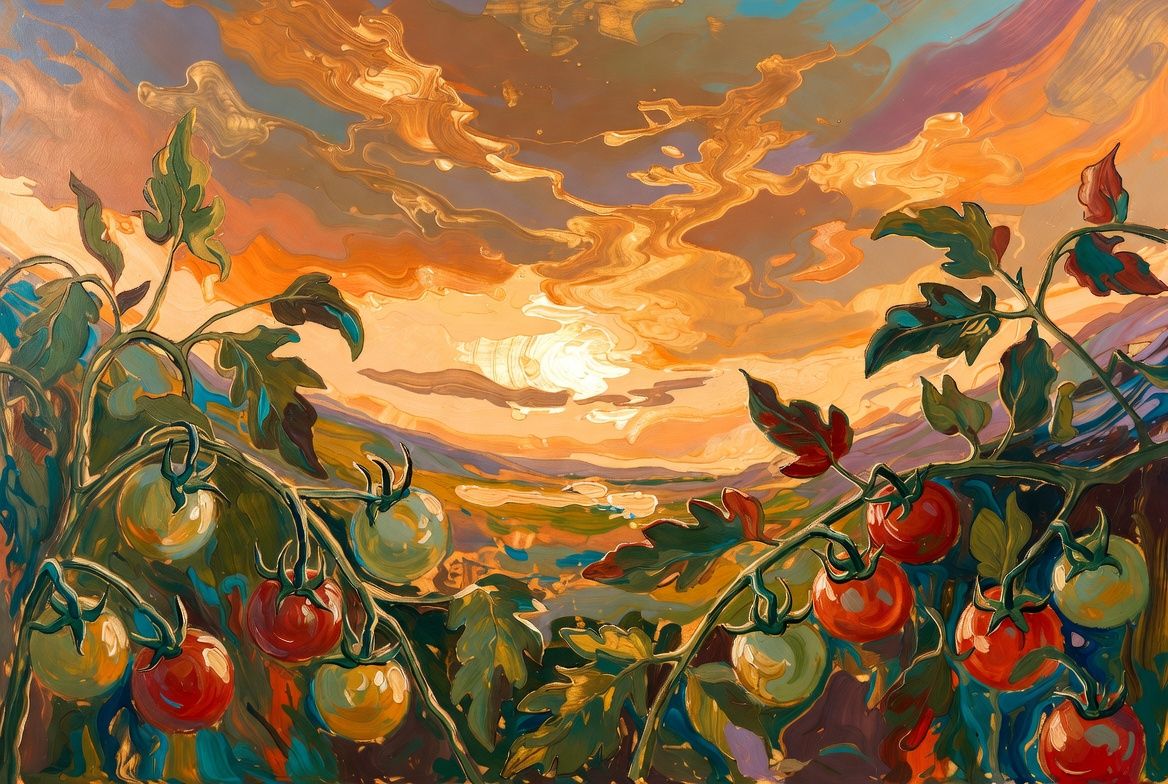

The Tomato Patch at 102
In the village of Ogimi on Okinawa Island, there is no word for retirement. The concept simply never took root. Instead, the language holds a different term—ikigai—and the statistics hold something rarer still: more centenarians per square mile than almost anywhere else on Earth. At 102, Yoshiko Nakamura still rises at five to tend her vegetable patch. When researchers ask why, she doesn’t cite health benefits or longevity studies. She laughs, wipes her hands on her apron, and says, «Because the tomatoes need me.»
That sentiment—humble, specific, inexplicably vital—is the heartbeat of a philosophy that neuroscientists and epidemiologists are now scrambling to map. It isn’t about climbing the corporate ladder or finding your «dream job.» It is, according to Japanese etymology, simply the intersection of iki (life) and gai (worth). But that deceptively simple definition conceals a geometry of purpose so precise it might determine whether you see your hundredth birthday.
The Four Circles Where Everything Aligns
To visualize ikigai is to draw four imperfect circles and watch where they blur together. In the West, we tend to collapse purpose into a binary: passion versus paycheck, art versus commerce. The Japanese diagram refuses this simplicity.
Imagine your life as the overlap of four distinct forces: what you love, what you’re good at, what the world needs, and what you can be paid for. Where passion and skill overlap, you have satisfaction, but perhaps not a livelihood. Where skill and payment meet, you have comfort, but perhaps not fulfillment. Where mission and vocation converge without joy, you have burnout waiting in the wings.
But in the center—where all four collide—lives ikigai.
This is where the data gets interesting. The New York Times bestsellers and TED Talks often present this center as a career destination, a perfect job waiting to be discovered. This is where the narrative begins to crack. When anthropologists studied Ogimi’s elders, they found no CEOs, no «brand architects,» no one optimizing their morning routine for maximum productivity. They found fishermen who still repair nets because the harbor depends on it. They found grandmothers teaching the village children traditional songs not because it pays, but because silence would be unbearable.
The Mortality Paradox
Here is where the story takes a turn that Western self-help literature often misses. The Blue Zones researchers—those who scrub the globe for longevity hotspots—initially assumed Okinawan diet was the secret. Sweet potatoes, seaweed, low calories. But when they compared Okinawans with genetically similar populations eating similar foods, the difference wasn’t on the plate. It was in the morning routine.
Elders with a clearly articulated ikigai showed lower cortisol levels, reduced systemic inflammation, and—most strikingly—lower rates of cardiovascular disease independent of diet or exercise. The mechanism isn’t mystical. When you rise with a specific reason to engage with the world, your stress response operates differently. You are not fighting the day; you are needed by it.
But here is the subtlety: ikigai is not ambition dressed in Zen clothing. It is not the «hustle culture» of Silicon Valley rebranded with cherry blossoms. In fact, the most dangerous misconception is believing your ikigai must be grand. Researcher Gordon Mathews, who spent years interviewing elderly Japanese about their purpose, found that many identified their reason for being as «taking care of my great-grandson» or «making the best tempura in the neighborhood.» Small. Local. Entirely unscalable.
This is where it gets interesting for the rest of us. We have been trained to find our «purpose» as if it were a buried treasure, a single sacred vocation that will justify our existence. The Japanese model suggests something more like a garden that shifts with the seasons.
When the World Steals Your Compass
The modern predicament is that our economy systematically severs the four circles. You may be good at corporate law and paid extravagantly for it, but the world doesn’t urgently need another merger, and you certainly don’t love the work. You may love painting, but the world doesn’t currently need your canvases enough to pay the rent. We live in the fragments, nursing the ache of the missing overlaps.
Psychiatrist Mieko Kamiya, who wrote the definitive clinical text on ikigai in the 1960s, distinguished between ikigai and mere happiness. Happiness, she argued, is passive and fleeting. Ikigai is active and resilient. You can be in pain and still possess it. You can be poor and still possess it. It requires only that you see the specific way you are necessary.
This distinction matters because it changes the search. You are not looking for bliss. You are looking for the place where your existence prevents a specific small breakage in the world.
Reading the Map Backward
So how do you find it? The practical answer is less mystical than the diagrams suggest. Start not with passion, but with observation. For two weeks, note when you lose track of time. Note when someone asks for your help and you feel a surge of energy rather than resentment. Note the problems that make you inexplicably angry—the ones you can’t scroll past—because anger is often the flinch of a thwarted purpose.
Then, test the overlap. Can you do this thing you care about in a way that serves others? Can you do it with increasing competence? Can you do it without destroying your body or spirit?
But the final lesson from Ogimi is the most difficult to import. These elders did not «find» their ikigai in a flash of insight at thirty. They cultivated it like those tomato vines—daily, seasonally, adjusting to drought and rain. Yoshiko didn’t wake up at eighty and decide the tomatoes needed her. She had been becoming the person the tomatoes needed for decades, through attention and repetition, until the boundary between self and service dissolved.
The secret isn’t that the Japanese have a word we lack. It is that they have a practice we have forgotten: waking up not to seize the day, but to answer it.



