
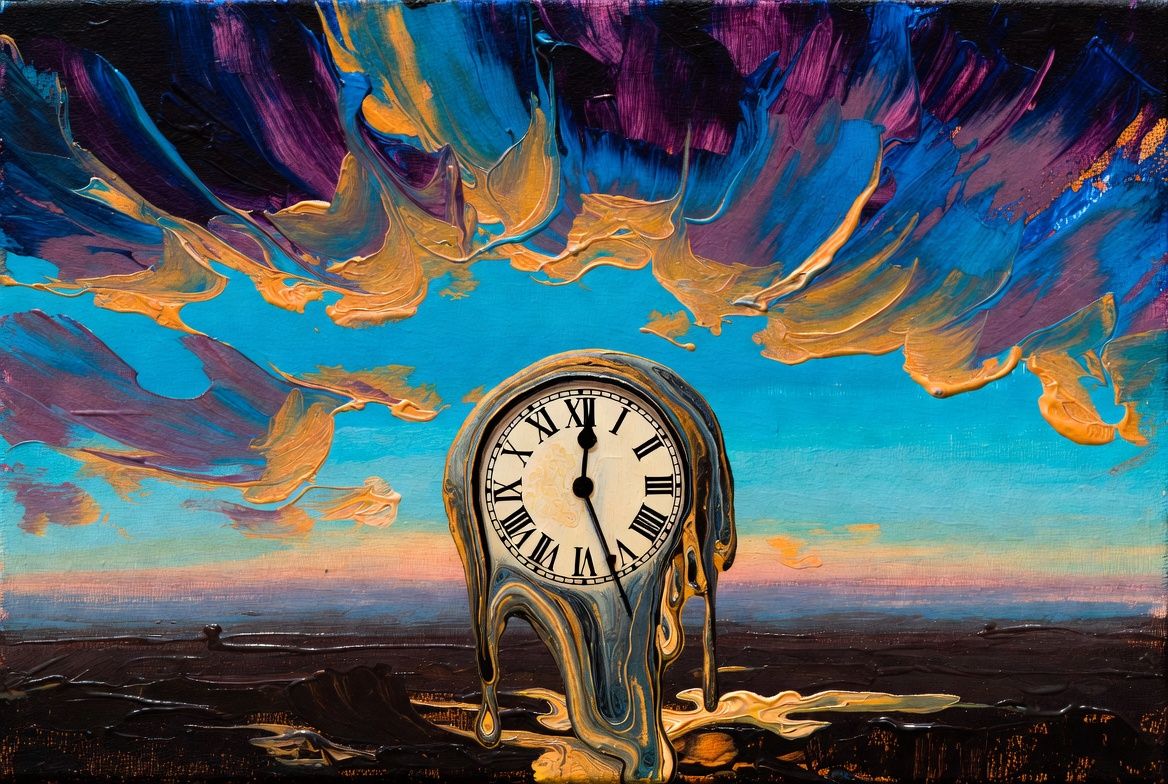

The Circadian Conspiracy
By mid-afternoon, your prefrontal cortex has essentially gone on strike. Not metaphorically—biochemically. Somewhere between your first coffee and your fourth meeting, the region of your brain responsible for decision-making and impulse control begins to sputter, flooded with adenosine molecules that accumulated despite your morning caffeine. Your core body temperature dips. Your reaction time slows to levels comparable to mild intoxication. This isn’t laziness, and it isn’t fixable by willpower. It’s a biological conspiracy that modern work culture pretends doesn’t exist.
Research by George et al. in 2024 confirmed what airplane pilots and emergency room physicians have known for decades: the hours between 1:00 and 4:00 PM represent a universal vulnerability in human cognition. During this window, alertness doesn’t just decline—it plummets off a cliff. But there’s a counterintuitive weapon against this daily neurological revolt, one that requires stopping work rather than pushing through. The catch? Youhave exactly twenty minutes to pull it off.
Twenty Minutes on the Knife’s Edge
Sleep scientists have identified a peculiar paradox at the heart of afternoon rest. Nap for ten minutes, and you gain a modest bump in alertness. Nap for sixty, and you wake up stumbling through mental fog, your brain still half-submerged in slow-wave sleep. But nail the twenty-minute window—what researchers call the «hypnagogic sweet spot»—and you unlock roughly three hours of enhanced cognitive function without the hangover of sleep inertia.
The mechanism is ruthlessly specific. A twenty-minute nap plunges you into Stage 2 sleep, the phase where your brain begins consolidating memories and pruning unnecessary synaptic connections, yet stops short of Stage 3’s deep trenches. Venture past thirty minutes, and you risk entering slow-wave sleep; wake from that depth, and you’ll suffer «sleep inertia»—the groggy, disoriented state that can last thirty minutes or more, erasing any cognitive advantage you might have gained. As sleep physicians at Washington University School of Medicine noted in 2026, this isn’t a matter of preference but neurochemistry. Once you’re in deep, your brain expects a full sleep cycle, and wrenching it out mid-cycle triggers biological protest.
But here’s where the science gets interesting: those twenty minutes don’t just prevent grogginess. They actively enhance performance. Meta-analyses show naps improve cognitive test scores by a Cohen’s d of 0.379—a substantial effect size that translates into faster reaction times, better working memory, and improved emotional regulation. For roughly 150 minutes after waking, your brain operates with the efficiency of someone who got a full night’s rest, even if you spent the previous night staring at your ceiling.
The Chemistry of Sudden Clarity
Why does briefly surrendering to unconsciousness create such dramatic effects? The answer lies in what naps do to your stress chemistry. Allianz Care researchers documented in 2025 that short afternoon sleep significantly reduces cortisol levels—the hormone that, in excess, corrodes neural pathways associated with memory and executive function. Simultaneously, napping appears to regulate serotonin, the neurotransmitter that governs not just mood but cognitive flexibility.
But the real magic happens with adenosine, the molecule that builds pressure for sleep throughout your waking hours like steam in a kettle. Caffeine works by blocking adenosine receptors, which is why your morning coffee feels like relief. A nap, however, actually clears the adenosine molecules themselves. This distinction matters enormously. When researchers combined the two strategies—drinking coffee immediately before a twenty-minute nap—they found the effects exceeded either intervention alone. The caffeine takes roughly twenty-five minutes to hit your bloodstream, meaning you wake naturally from your light sleep just as the chemical blockade engages, creating a «caffeine nap» that extends alertness for hours.
The Dark Side of Drifting Off
Yet the research carries warning labels that wellness influencers tend to ignore. While twenty minutes of afternoon sleep acts as cognitive performance enhancement, stretch that to ninety minutes and the data turns ominous. Wang et al. (2022) found that regular naps exceeding sixty minutes increase cardiovascular disease risk by a factor of 1.82—not because the sleep itself harms the heart, but because prolonged daytime sleep often signals underlying metabolic dysfunction or sleep disorders.
More insidious is what long naps cannot do. Despite the hype, afternoon rest cannot substitute for nocturnal sleep architecture. Your brain’s glymphatic system—the waste clearance mechanism that removes amyloid-beta and other neurotoxins associated with Alzheimer’s—requires the slow-wave sleep that only occurs during extended night cycles. A twenty-minute nap might refresh your working memory, but it won’t scrub your neurons. Chronic sleep debt, accumulated through weeks of insufficient nighttime rest, cannot be amortized through afternoon installments. The nap is a bridge, not a foundation.
Individual Variation and the Tyranny of the Clock
The research also reveals uncomfortable variability. While the 1:00 to 4:00 PM window aligns with most people’s circadian dips, precision matters. Nap at 2:30 PM, and you ride the natural wave of drowsiness; nap at 5:00 PM, and you risk cannibalizing your melatonin production for the coming night. Johns Hopkins research from 2024 suggests older adults may tolerate slightly longer rests—twenty to forty minutes—without experiencing the same inertia that plagues younger subjects, likely due to changes in sleep architecture that come with age.
Some individuals, roughly 15% of the population according to sleep medicine estimates, are «napping neutral»—they gain no measurable cognitive boost from brief sleep and may actually experience performance declines. For these people, the advice to «just take a power nap» becomes another productivity burden, like open-plan offices or mandatory brainstorming sessions.
The Art of Strategic Unconsciousness
Implementing this research requires more than setting a timer. The environment matters: cool temperatures, darkness, and silence reduce the «sleep onset latency» that eats into your twenty-minute allowance. Some companies—guided by NASA’s findings that pilots who napped showed 34% improvements in performance—have installed sleep pods. Others still treat afternoon rest as moral failure, despite evidence that strategic napping reduces workplace errors and accidents.
The contradiction at the heart of this science is that we treat sleep as the opposite of productivity, when biologically, it’s a prerequisite. Your brain doesn’t care about your deadlines. At 3:00 PM, it begins a systematic shutdown of higher-order processing unless you pay the biological tax of twenty minutes unconscious. Those who refuse—who reach for another espresso instead—aren’t working harder. They’re simply working impaired, refusing to acknowledge that the organ generating their thoughts requires the same downtime as the machines charging in their pockets.
The twenty-minute nap isn’t a luxury. It’s leverage—a way to hack your own neurochemistry during the precise hours when biology conspires against clarity. Just don’t hit snooze.



