
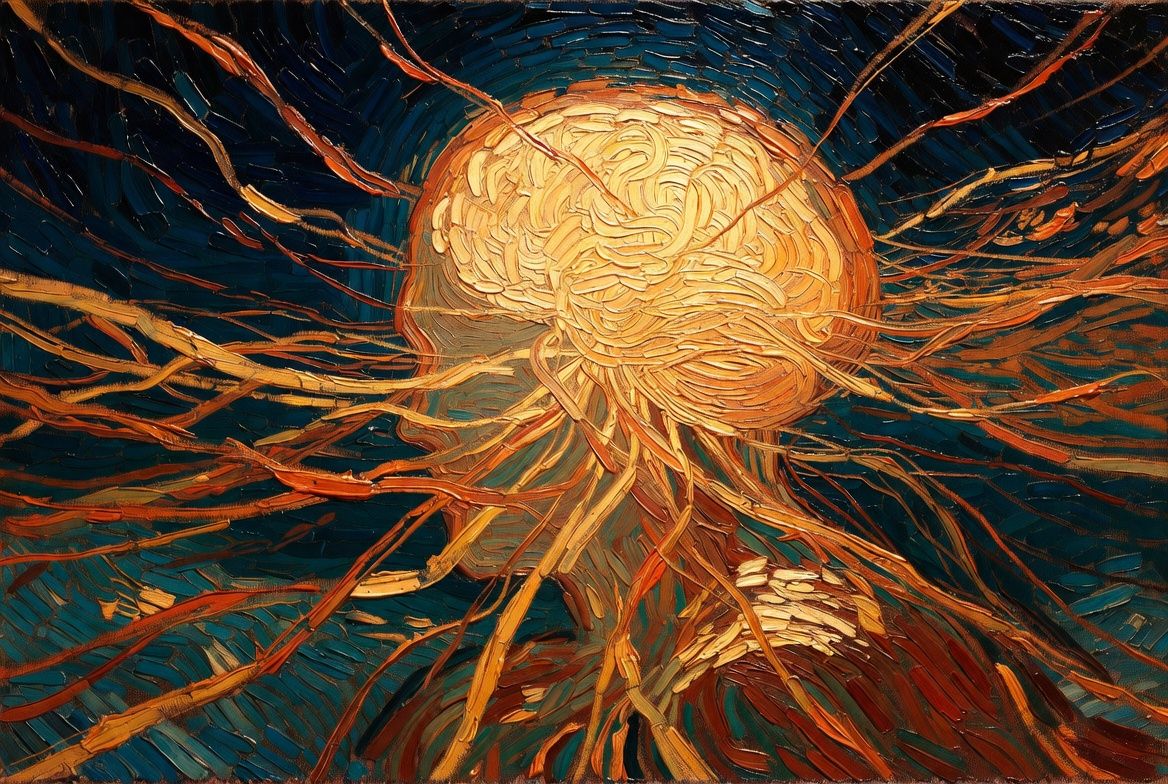

The Three-Month Shadow: How Thank-You Notes Rewire Your Gray Matter
Three months after the last letter was sealed and dropped in the mail, the brain scanners at Indiana University were still detecting the changes. Researchers had asked participants to write weekly gratitude letters—simple, specific thank-you notes to people in their lives—and then they waited. When the volunteers returned for functional MRI scans months after completing the exercise, their medial prefrontal cortexes showed a lingering hypersensitivity to gratitude that hadn’t existed before. The gratitude had stopped, but the neural architecture had shifted.
This is where the folklore of gratitude collides with neuroscience. For decades, self-help gurus have preached gratitude as a kind of emotional hygiene, akin to flossing or getting eight hours of sleep. But recent neuroimaging studies reveal something far more radical: gratitude doesn’t just brighten your mood—it physically remodels brain tissue, reduces the volume of your fear center, and alters your stress response at the hormonal level. And perhaps most surprisingly, the research suggests you might be doing it too often.
The Immediate Hit: Your Brain on Thanks
Step inside a functional MRI machine and think of something you’re genuinely grateful for—perhaps a friend who listened through a crisis, or even the specific warmth of coffee this morning. Within seconds, your ventral tegmental area (VTA) and nucleus accumbens flare with activity. These are the same regions that light up when you eat chocolate or receive unexpected money, flooding your system with dopamine. But gratitude triggers them without external reward; the mere act of appreciation becomes its own neurochemical payoff.
«That dopamine hit acts as a major shift for mental, emotional, and strategic well-being,» explains researchers studying the phenomenon. Meanwhile, your anterior cingulate cortex (ACC)—the brain’s emotional processor—enters a state of sustained activation that persists well beyond the initial thought. Unlike the fleeting pleasure of a sugar rush, gratitude creates what neuroscientists call a «warm bath of positive, strategic energy,» keeping emotional regulation circuits humming even after you’ve stopped thinking about what you’re thankful for.
But gratitude also quiets the brain. Activity in the amygdala, the almond-shaped fear center that triggers cortisol floods and fight-or-flight responses, measurably decreases. A UCLA study found that just six weeks of gratitude writing measurably reduced amygdala reactivity—a biological dial-down of anxiety that persists whether you’re facing a traffic jam or a difficult conversation.
Structural Renovations: Building the Gratitude Muscle
If functional changes happen in minutes, structural changes require architectural time. Consistent gratitude practitioners show increased grey matter density in regions associated with emotional processing and stress regulation—physical proof that the brain remodels itself based on what we choose to notice.
The timeline follows a predictable curve of neuroplasticity. Within three weeks of regular practice, functional MRI scans can detect the initial rewiring. By weeks four through twelve, meta-analyses document the benefits solidifying: anxiety symptoms drop by 7.76 percent, depression scores fall by 6.89 percent, and life satisfaction ticks up by 6.86 percent. The sleep improvements are particularly striking—up to 40 percent better sleep quality, likely because gratitude activates the hypothalamus, the regulator of circadian rhythms and stress hormones.
But the Indiana University finding remains the most striking: three months after participants stopped writing gratitude letters, their brains remained fundamentally changed. The neural pathways had been strengthened enough to create persistence, a biological memory of thankfulness that outlasted the practice itself.
The Paradox of Practice: Why Daily Gratitude Might Backfire
Here is where the research takes an unexpected turn. Despite the proliferation of gratitude apps urging daily check-ins, the neuroscience suggests moderation wins. Sonja Lyubomirsky’s research found that participants who wrote gratitude entries one to three times per week showed significantly larger happiness boosts than those who journaled daily.
The mechanism likely involves hedonic adaptation—the psychological tendency to normalize repeated experiences. Daily gratitude can become routine, rote, expected. But spacing out the practice keeps the brain’s reward system alert and responsive. The dopamine response weakens with predictability, just as your third cookie tastes less exquisite than your first.
This dose-dependent effect extends to intensity as well. Regular, moderate gratitude practices produce more sustained neural changes than sporadic intensive interventions. The brain seems to prefer a rhythm—a weekly letter, perhaps, or three entries in a journal—rather than a crash course in thankfulness.
The Chemical Ledger: What Gratitude Pays in Neurotransmitters
To understand gratitude’s efficacy, follow the molecules. Regular practice boosts serotonin and dopamine production while simultaneously lowering cortisol levels. This isn’t merely about feeling good; it’s about reducing inflammatory markers and cardiovascular strain. Recent research associates gratitude practice with reduced mortality risk in older women, suggesting these neurochemical shifts translate into longevity.
The oxytocin system also engages during social gratitude—when you appreciate specific things others have done—fostering the trust and connection that makes humans resilient. This explains why gratitude strengthens relationships not just emotionally, but neurochemically: it literally wires us to recognize social support and encode it as safety.
But this is where the caveats enter. The research is clear that forced gratitude—gratitude practiced out of obligation or toxic positivity—can trigger shame or resentment rather than dopamine. The amygdala dampening only occurs with authentic appreciation. When gratitude becomes performative, the brain’s threat detection systems remain online, and the structural benefits fail to materialize.
The Variability Clause: When Gratitude Isn’t Enough
Not all brains respond equally. Individual differences in baseline grey matter volume and trait gratitude levels influence how strongly one responds to interventions. Younger brains adapt faster due to higher baseline neuroplasticity, while older adults demonstrate more sustained changes once established. Those with pre-existing trauma or severe depression may find gratitude practices triggering initially, requiring clinical guidance to navigate the emotional terrain without activating guilt.
The author’s personal experience with severe chronic illness—specifically neural Lyme disease and pre-existing low serotonin—provides crucial context: gratitude served as significant support but not a standalone cure for physical health decline during acute stress. This honesty matters. Gratitude is powerful medicine, but it is not magic. It won’t cure clinical depression alone or resolve chemical imbalances without complementary treatment.
Writing the Letters: A Prescription
If you want to create the three-month shadow—that lingering neural sensitivity demonstrated by Indiana University researchers—the evidence suggests specificity over frequency. Instead of daily lists, try writing one detailed letter per week to someone specific, explaining not just what they did, but how it felt and why it mattered. Describe sensory details: the warmth of their kitchen when they fed you, the particular cadence of their voice when they offered encouragement.
Monitor your sleep quality and stress responses over eight to twelve weeks. If you notice yourself going through the motions—if the practice becomes checklist rather than felt experience—pause for a week. The brain requires novelty to maintain dopaminergic response.
You are, in essence, voting with your attention. Each moment of genuine appreciation strengthens the neural pathways between your prefrontal cortex—the seat of executive decision-making—and your emotional centers, while weakening the amygdala’s grip on your nervous system. You are physically constructing a brain that finds it easier to be calm, to connect, to sleep.
The thank-you note isn’t just good manners. According to the scans, it’s a building permit for gray matter.



