
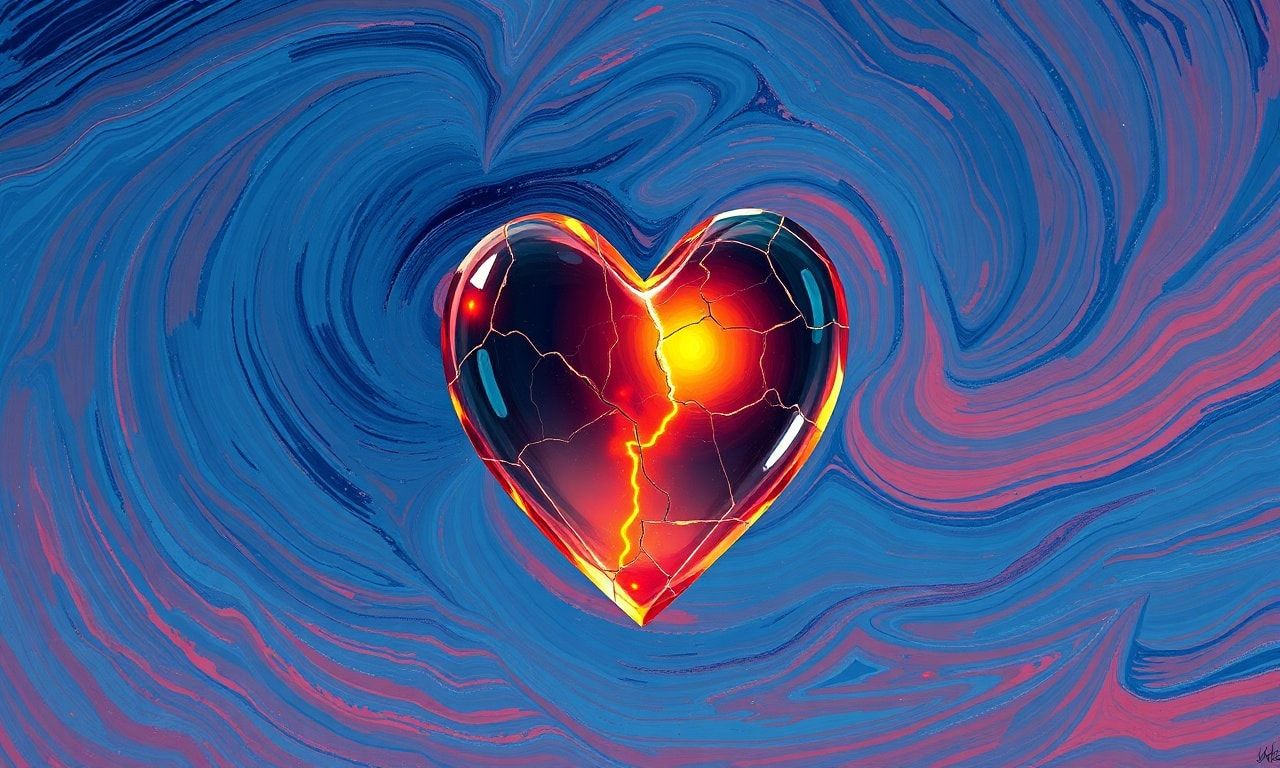

Your brain processes a breakup exactly the same way it processes a broken arm. The same neural pathways fire. The same opioid receptors flare in identical patterns. Yet while we’d never dream of walking around on a shattered femur without medical attention, we routinely insist on «toughing out» emotional wounds that register with parallel intensity on our biological scanners.
This paradox is what psychologist Guy Winch set out to dismantle in his 2014 framework Emotional First Aid. His argument was simple and unsettling: we have medicine cabinets for physical injuries but no equivalent for the rejection, failure, and heartbreak that activate our pain response systems with equal ferocity. A decade of subsequent research has validated his premise while revealing something more hopeful—that healing from these injuries isn’t about waiting for time to do its work, but applying specific clinical techniques that can actually rewire our response to emotional trauma.
Why Heartbreak Literally Hurts
The research from Upper East Side Psychology confirms what anyone nursing a recent rejection already knows in their body: the pain is physiological, not metaphorical. When we experience social rejection or romantic loss, our brains release the same neurochemical cascade associated with physical injury. This isn’t weakness or melodrama; it’s neurobiology. The anterior cingulate cortex, which manages both physical and social pain, doesn’t distinguish between a harsh word and a harsh blow.
But here’s where the story takes an interesting turn. Because we treat emotional pain as something to be endured rather than treated, we often make it worse. Research published across Verywell Mind and Psychology Today shows that our standard response—rumination, isolation, and harsh self-criticism—acts like repeatedly poking a bruise to see if it still hurts. We analyze what we said wrong, what we should have done differently, and why we weren’t enough, effectively administering repeated doses of psychological toxin to an already wounded system.
The Antidote You’d Give Your Friend
If you wouldn’t tell a friend with food poisoning to «just get over it,» why do you say this to yourself when you’re bleeding from a failed project or crushed heart? This question cuts to the core of the most powerful recovery tool in the emotional first aid kit: self-compassion.
The research is remarkably consistent across sources from Empower Psychology to LinkedIn’s professional resilience studies. Self-compassion isn’t self-indulgence; it’s the operational decision to treat yourself with the same practical kindness you’d offer someone you care about. When you fail, instead of the internal monologue of inadequacy, the technique requires asking: «What would I say to a friend in this situation?» The answer usually involves acknowledging the pain as legitimate, recognizing failure as part of the human condition, and identifying one small step forward.
But self-compassion alone isn’t enough. The second clinical tool—cognitive reframing—functions like resetting a bone. Studies summarized by Blinkist suggest that shifting perspective on negative events isn’t toxic positivity; it’s neurological intervention. When you reframe a failure as data rather than destiny, you move the experience from the amygdala (threat detection) to the prefrontal cortex (problem-solving). This literally changes how the memory is stored and how much pain it can generate in the future.
The Learnable Muscle Nobody Teaches
Perhaps the most damaging myth about emotional resilience is that some people are born with it while others are simply delicate. The research from Humbercare and multiple clinical sources demolishes this idea. Resilience isn’t a personality trait; it’s a skill set composed of specific, teachable components: growth mindset, stress regulation techniques, social connection habits, and cognitive flexibility.
Think of it like physical fitness. You don’t become strong by avoiding weights; you become strong by lifting them with proper form and adequate rest. Similarly, you don’t build emotional resilience by avoiding rejection or failure—you build it by developing the specific techniques to process these injuries when they occur.
The practical application comes from Dialectical Behavior Therapy (DBT), which offers concrete skills rather than abstract advice. When rejection sensitivity triggers emotional flooding, paced breathing and grounding exercises serve as the psychological equivalent of applying pressure to a wound. «Opposite action»—doing the thing your emotions tell you to avoid—is particularly effective against the isolation spiral that follows heartbreak. When every instinct screams to hide under the covers, the evidence-based move is toward connection, even in small, manageable doses.
When the Wound Cuts Deeper
But the research contains an important caveat that many self-help glosses over. For individuals with ADHD, trauma histories, or neurodivergent nervous systems, rejection sensitivity isn’t just painful—it’s neurologically amplified. Dopamine regulation differences and primed threat detection systems mean these injuries don’t just hurt more; they hit different circuits.
This isn’t a matter of needing to «toughen up.» As clinical sources note, these individuals require tailored approaches that acknowledge neurological factors while building coping capacity. The standard advice of «just reframe it» falls flat when your nervous system is screaming that social rejection equals survival threat. For these cases, the research suggests integrating clinical support with self-help techniques, recognizing that the DIY approach has limits.
The Recovery Timeline Nobody Wants to Hear
Here’s where the research delivers uncomfortable truth. While the techniques work, they require active application, not passive reading. Guy Winch’s framework emphasizes that understanding why you’re hurt is different from treating the injury. You can intellectually comprehend that rejection isn’t personal while your body still reacts as if you’ve been banished from the tribe.
The data also contradicts the cultural narrative of rapid recovery. While emotional first aid can prevent a scratch from becoming gangrene, it doesn’t perform immediate miracles. Self-forgiveness in heartbreak recovery, particularly when you contributed to the relationship’s end, requires conscious, repeated effort. Finding meaning in loss isn’t a weekend project but a months-long reconstruction.
Moreover, the research draws a hard line between manageable emotional injuries and clinical conditions. The techniques discussed here treat the psychological equivalent of cuts and sprains. Severe trauma, clinical depression, or persistent emotional distress that impairs daily functioning for more than two to three weeks requires professional intervention beyond the scope of self-administered first aid.
Building Your Medicine Cabinet
So what does emotional first aid look like in practice? The research points to a multi-tool approach rather than a single cure.
First, stock your psychological medicine cabinet before the injury occurs. Identify your two-to-three-person support network now, before crisis hits. Social connection isn’t just comfort—it’s biological regulation. When we share our failures with trusted others, we borrow their prefrontal cortex function until ours comes back online.
Second, master one grounding technique. Whether it’s the 5-4-3-2-1 sensory method or paced breathing, have a physical intervention ready for when rejection triggers the fight-or-flight response. These aren’t relaxation techniques; they’re physiological resets.
Third, practice the friend-compassion swap in low-stakes moments. When you miss a deadline or say something awkward, notice the self-criticism and actively replace it with the language you’d use for someone you love. This builds the reflex you’ll need when serious injury strikes.
Finally, maintain aggressive honesty about when to seek professional help. If you find yourself using these techniques for months without improvement, or if emotional pain prevents you from functioning at work or in relationships, the research is clear: you’ve moved beyond first aid and need surgical intervention.
The good news? Every source agrees that recovery isn’t just possible—it’s probable when approached correctly. Your brain may process heartbreak like a broken bone, but unlike bone, neural pathways can be actively rewired. The injury is real, the pain is valid, but the recovery is within your control.



