
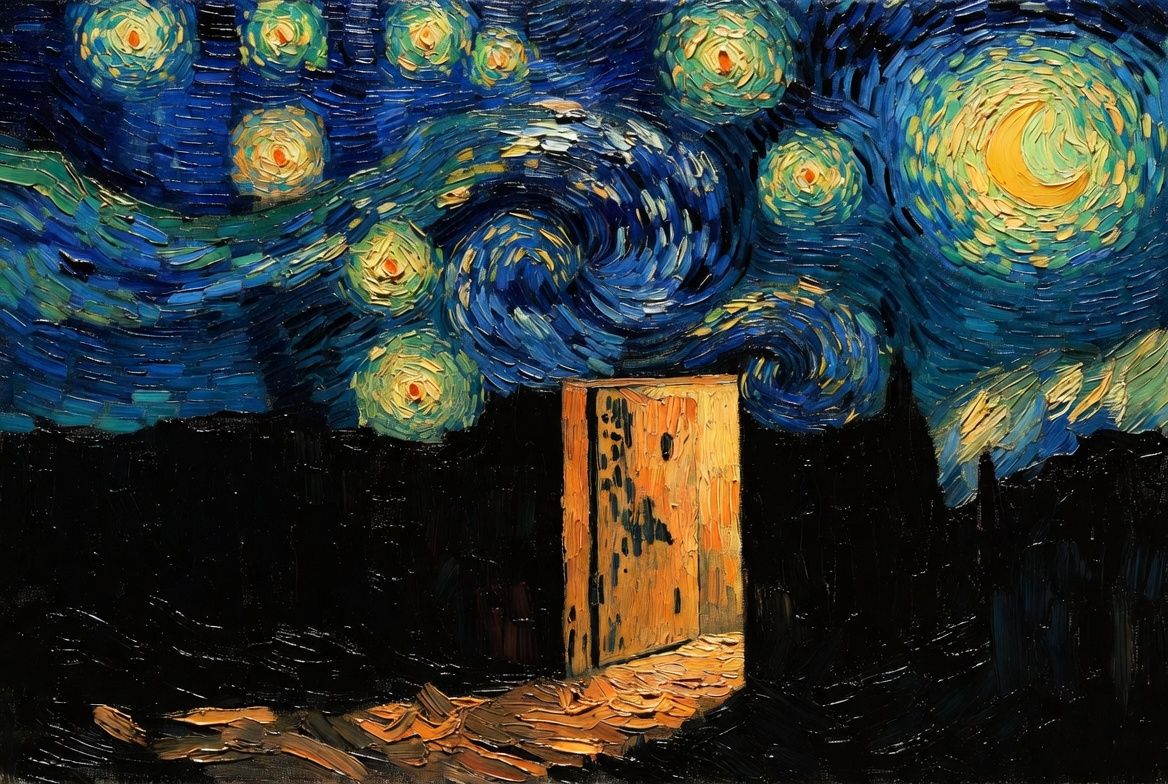

The traits you least want to admit you own are currently running your life. Carl Jung, the Swiss psychiatrist who split from Freud to chart the unconscious, warned that «until you make the unconscious conscious, it will direct your life and you will call it fate.» He wasn’t being mystical. He was describing the shadow—that crowded basement of the psyche where we store the anger, envy, creativity, and sexuality we’ve edited out of our public personas. The kicker? These exiled parts don’t simply rot in storage. They leak into our marriages, our career sabotage, our inexplicable rages at minor inconveniences. Shadow work journaling offers a flashlight and a ladder into that basement, but as recent clinical guidance suggests, descending without a safety rope can turn self-discovery into self-harm.
The Invisible Puppet Strings
Jung’s concept of the shadow isn’t moral—it’s architectural. The shadow contains not just the «negative» traits we disown (pettiness, aggression, dependency) but also the gold we’ve buried because it threatened our family systems or social standing: intelligence, sensuality, ambition. «There is no light without shadow and no psychic wholeness without imperfection,» Jung wrote in 1945. Modern practitioners describe this split as the psychological foundation upon which we build our adult lives. According to analytical psychology resources like Mindvalley, these shadow traits typically crystallize in childhood through environmental conditioning, unmet needs, and what therapists now term «inner child» wounds—the moment a seven-year-old learns that crying invites punishment, or that being «too much» means being abandoned.
The shadow operates like a parallel processing system, running background programs that override our conscious intentions. You intend to nurture your child calmly; your shadow triggers the same dissociative shutdown your father used. You aim to negotiate assertively; your shadow ignites people-pleasing panic learned in a chaotic household. As one contemporary Jungian framework explains, the shadow isn’t inherently malignant—»it only acquires a dark quality because we judge it as bad and inferior»—but it becomes destructive precisely because it operates unseen.
The Paper Trail to Wholeness
This is where the page becomes the therapy room. Unlike stream-of-consciousness diaries that catalog daily grievances, shadow work journaling employs structured excavation. Platforms like Reflection.app and Breeze Wellbeing have systematized this into over 100 specialized prompts organized by psychological terrain: basic shadow exploration, childhood influences, attachment styles, and specific trauma narratives. The protocol is deliberate—most guidelines recommend one to two sessions weekly, lasting 15 to 30 minutes, creating a rhythm that allows unconscious material to surface without overwhelming the conscious ego.
The methodology follows a specific sequence identified by clinical researchers: identification, exploration, acceptance, integration, and maintenance. Beginners typically start with «dialogue» prompts—writing from the perspective of the jealous colleague, the terrified inner child, or the critical parent internalized decades ago. More advanced practitioners employ Jung’s «Active Imagination,» a dialectical technique where the conscious ego enters a written conversation with unconscious archetypes, allowing shadow aspects to «speak» through automatic writing. As described in Psychology Today, this isn’t creative writing—it’s a controlled descent that requires «building a strong ego» beforehand, lest the practitioner lose boundaries with potent unconscious material.
The paper serves as a neutral witness. In a landscape where less than five percent of people achieve what Jung termed «mature psychological development,» according to data cited by Calmerr, the journal offers a rare space where the mask can drop without social consequence. One 2022 Wiley study found that online Jungian therapeutic modalities—including structured journaling—proved equally effective as in-person sessions for reducing interpersonal issues and improving personality structure.
When the Pen Opens Pandora’s Box
But here is where the research reveals a tension that many popular accounts gloss over. For every guide promising that shadow work leads to «deep inner peace,» there is a contrary warning that integration often amplifies symptoms before relieving them. The discomfort isn’t incidental—it’s diagnostic. Resistance, emotional flooding, and memory fragments surfacing mid-sentence signal that the excavation is hitting load-bearing trauma.
This creates a critical contradiction in the literature. While some resources, like Silk + Sonder’s prompt collections, market shadow work as accessible self-care for anyone with a notebook, trauma specialists at outlets like Root and Rise issue stark warnings: «I highly discourage using these techniques to uncover traumatic memories. That should be done with a trauma-informed therapist.» The divergence matters. For individuals with PTSD, dissociative disorders, or complex childhood trauma, unsupervised journaling can function less like therapy and more like self-surgery, potentially triggering emotional dysregulation or re-traumatization without the container of professional support.
Safety protocols suggest a tiered approach: grounding techniques before writing, a private environment free from interruption, and strict boundaries against «pushing through» overwhelming material. If the hand trembles or the mind blanks, the session stops. The shadow, after all, has waited decades—it can wait another week while you secure a therapist’s guidance.
The Uneasy Peace
Integration doesn’t look like the Instagram epiphany. It looks like the moment you recognize your partner’s criticism is triggering your twelve-year-old self, and instead of shutting down or exploding, you stay present. It looks like admitting you sabotaged the promotion because success meant leaving your struggling family behind—a loyalty you didn’t know you carried. The «peace» promised by shadow work is less a spa-day tranquility and more the solid ground of self-honesty.
The practice demands patience. Sources conflict on frequency—while Reflection.app recommends measured twice-weekly sessions, others suggest daily engagement for deeper work. What remains consistent is the insistence on continuity. Shadow work isn’t a thirty-day challenge but a lifelong dialogue with the denied self. As one framework notes, the process involves not just excavation but maintenance—regularly revisiting the basement to ensure new shadows haven’t accumulated behind the furniture.
For those with stable mental health and adequate support, the benefits are tangible: reduced projection in relationships (owning your envy rather than maligning the successful friend), increased emotional range, and the specific relief of ceasing to fight oneself. You stop calling your unconscious patterns «fate» and start recognizing them as unfinished business.
The journal sits waiting—ninety pages of blank archaeology. Whether you fill them is another question entirely.



