
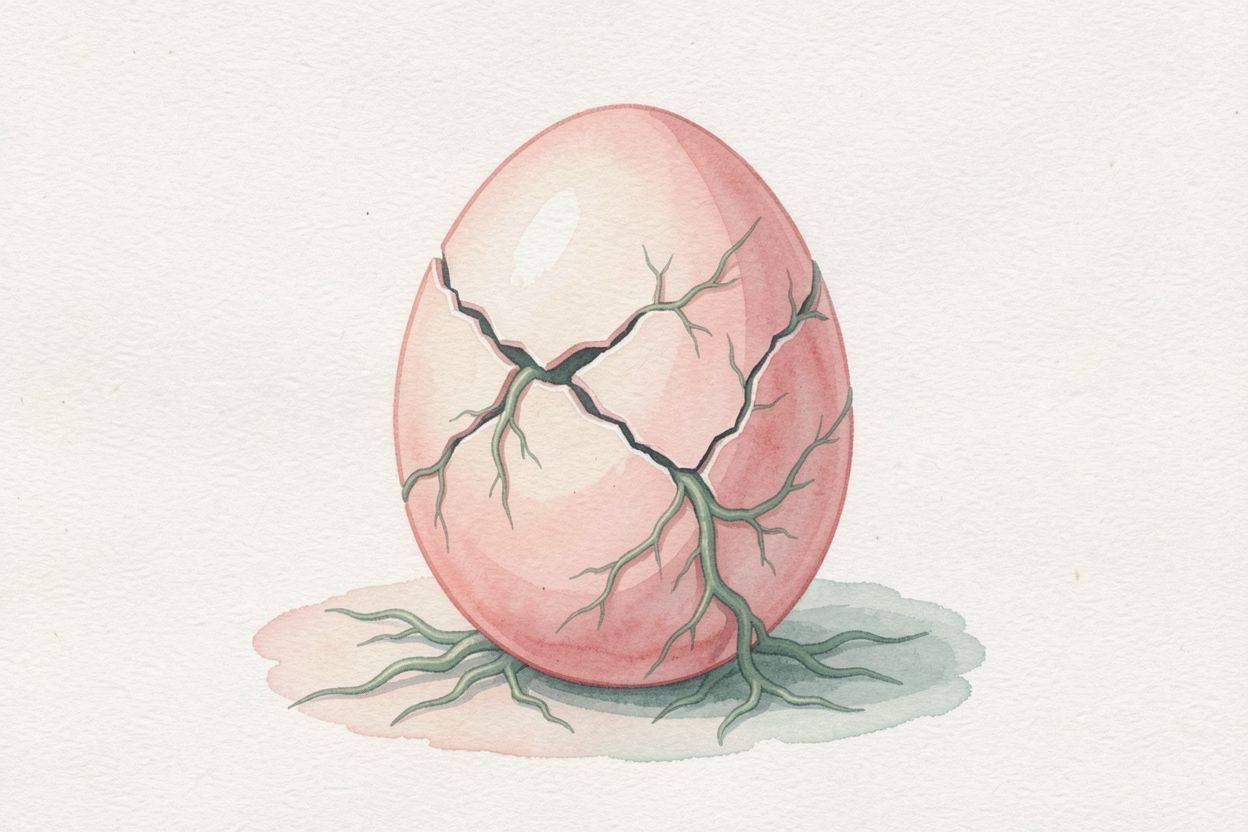

You don’t need to feel like you’re falling apart to deserve help. In fact, if you’re waiting for the dramatic movie-moment breakdown—the one where you can’t get out of bed or stop crying—you’ve already waited too long. The real warning sign isn’t intensity; it’s persistence.
Consider the software engineer who’s been “just tired” for three weeks, skipping the gym and snapping at his partner, telling himself he needs better sleep hygiene. Or the college student who’s been “stressed about finals” since September, her heart racing at 3 a.m. while she reorganizes her desk for the fourth time. They don’t look like crisis cases. They look like they’re handling it. But clinically speaking, they’ve crossed the threshold where professional support isn’t just helpful—it’s indicated.
The Two-Week Rule That Could Change Everything
Here’s the surprising metric that mental health professionals actually use to separate a rough patch from a clinical concern: two weeks.
Not two weeks of unbearable suffering. Not two weeks of suicidal thoughts. Just two weeks of symptoms that interfere with daily functioning—whether that’s declining work performance, withdrawing from friends, or losing interest in hobbies you once loved. According to the American Psychiatric Association (APA) and the Centers for Disease Control and Prevention (CDC), depression requires at least five of nine core symptoms—including persistent sadness or loss of interest—lasting for two weeks or more to meet diagnostic criteria. Anxiety demands an even longer runway: excessive worry occurring more days than not for at least six months.
This is where it gets interesting. We’ve culturally trained ourselves to measure mental health by the volume of pain, not the duration of dysfunction. We ask, “Are you okay?” expecting a binary answer—crisis or fine—when the reality is a slow erosion of capacity that happens so gradually you stop noticing you’ve stopped living.
As the Jed Foundation puts it: mental health professionals measure issues by their impact on everyday life, not by the drama of the moment. You can hold down a job, pay your bills, and still meet the clinical threshold for depression if you’re merely going through the motions for weeks on end.
When Your Body Speaks in Code
But what if you don’t feel sad? What if you feel nothing—or worse, a persistent ache in your jaw and shoulders that won’t respond to massage?
This is the most commonly missed chapter of the mental health story. Depression and anxiety rarely arrive as pure emotion. They arrive as physical symptoms: chronic headaches, unexplained muscle tension, appetite changes that mysteriously align with emotional numbness, or fatigue that睡 eight hours won’t cure. The APA lists fourteen early warning signs, and half of them are somatic—body-based signals that we routinely dismiss as “just stress” or aging.
Men, in particular, get misdiagnosed by themselves and others because cultural scripts equate depression with sadness. Research cited by ThoughtFull.world shows that uncontrolled rage, irritability, or emotional numbness are often how depression manifests in men—not tears, but withdrawal and anger. Meanwhile, anxiety disguises itself as productivity, driving people to perfectionism until their bodies revolt with insomnia or panic attacks.
The paradox is brutal: the longer you attribute these signals to moral failure—“I’m just lazy,” “I should handle this better”—the deeper the neurological patterns set in, making recovery harder than if you’d sought help at the first sign of persistent disruption.
The 75% Problem: Why Starting Early Matters More Than Starting Perfect
If you’re under twenty-five, the statistics are stark: half of all mental illnesses begin by age fourteen, and three-quarters by age twenty-four. These aren’t just numbers from the APA—they represent millions of developmental windows closing, years of untreated symptoms hardening into chronic conditions that could have been intercepted.
Early intervention doesn’t just improve outcomes; it prevents the cascade of consequences that follow untreated illness—substance abuse (smoking rates are three times higher among those with untreated mental illness), hospitalization, and the slow narrowing of life opportunities. The CDC explicitly warns against the seductive trap of self-medicating with alcohol or nicotine, noting that quitting smoking actually improves mental health outcomes, not just physical ones.
But here’s the hopeful twist: therapy isn’t an ambulance service reserved for emergencies. The APA emphasizes that mental health support functions as preventative care—useful for navigating life transitions, trauma, or emotional stagnation before they crystallize into disorder. You don’t need a diagnosis to benefit; you just need a persistent problem.
The Stories We Tell Ourselves (And Why They’re Wrong)
So why do we wait? The research points to three specific barriers that operate like malware in our decision-making:
Self-stigma: The belief that seeking help is an admission of weakness or inadequacy—what Janessa Tan at ThoughtFull.world describes as the internal voice saying, “You should be able to handle this yourself.”
Cultural noise: The conflation of therapy with “performance optimization” in wellness marketing, which paradoxically makes serious help-seeking feel like either privileged self-indulgence or unnecessary medicalization.
The severity fallacy: The myth that you must be in crisis to deserve care—a misconception so pervasive that the National Alliance on Mental Illness (NAMI) explicitly states: “It’s important to know that mental health concerns don’t need to be serious for you to reach out for support.”
This last point deserves emphasis. While crisis resources like the 988 Suicide & Crisis Lifeline exist for immediate danger, the larger mental health system is designed for exactly the kind of grinding, low-grade suffering that most people endure in silence—the two weeks of poor sleep, the six months of worry, the slow fade of joy.
What to Actually Do Next
If you’re mapping your own experience against these findings, skip the self-diagnosis. Instead, try this concrete protocol:
Track for fourteen days. Not your mood—that’s too subjective. Track functioning: Did you skip social obligations? Is work taking twice as long? Are you avoiding tasks that used to be automatic? This data gives clinicians (and you) objective markers beyond “I feel bad.”
Use the “daily life” metric. Ask not “How bad do I feel?” but “What can I no longer do?” If the answer persists for two weeks (for depression-like symptoms) or six months (for anxiety), you’ve reached the clinical standard for evaluation, regardless of whether you’d call yourself “sick.”
Access points are broader than you think. Beyond private therapy, Employee Assistance Programs (EAPs), community mental health centers, and online platforms have democratized access. NAMI’s HelpLine (800-950-6264) offers free guidance to resources, and the 988 Lifeline serves both crisis and sub-acute support.
The research is unanimous on one point: waiting for the breaking point is a losing strategy. The headache that won’t quit, the irritability that’s become personality, the hobby you haven’t touched since last month—these are not character flaws. They are biological smoke signals. And unlike physical illness, where we rush to treat a fever at 102 degrees, mental health demands attention at the persistent 99-degree mark, long before the crisis that everyone can see.
You don’t need permission to be broken enough to be fixed. You just need two weeks of not being yourself.



