
The 16-Second Reset
Picture a Navy SEAL in the moment before a high-risk extraction, or a trauma surgeon preparing for emergency surgery. Now picture yourself stuck in traffic, your heart hammering against your ribs because you’re late for a presentation that could determine your promotion. Strangely enough, the antidote to both brands of panic—the life-or-death and the merely mortifying—might be identical. It requires no equipment, no medication, and less time than it takes to scroll through a single social media post. Just sixteen seconds of盒-shaped silence.
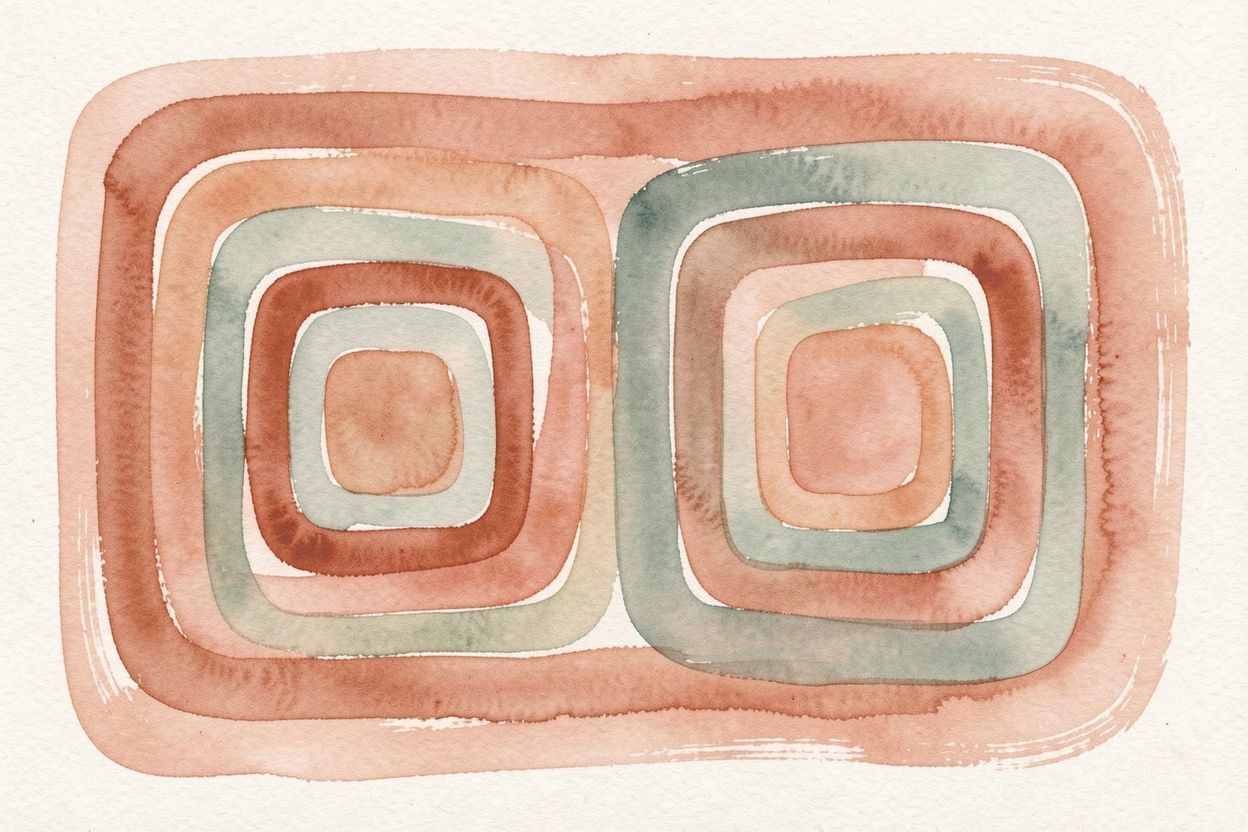
Box breathing, alternately called square breathing or four-square breathing, follows a rigid geometry: inhale for four seconds, hold for four, exhale for four, hold again for four. Repeat. That’s it. The pattern creates a perfect square of respiration, and according to both ancient Ayurvedic texts and modern military lore, that square becomes a port in the storm of your own nervous system.
From Ashrams to Amphibious Warfare
But here’s the first twist in the origin story: SEALs didn’t invent this. Long before commando units existed, the technique lived within pranayama, the yogic science of breath control developed in India thousands of years ago. The «box» structure is essentially a disciplined form of sama vritti—equal breathing—repurposed for warriors who measure time in heartbeats and millimeters of trigger pressure.
The modern military connection, while widely reported across wellness blogs and meditation apps, sits on surprisingly thin documentary ice. No official Navy manual has been publicly verified as the smoking gun that introduced the technique to BUD/S training. Yet the attribution persists, repeated by former operators like Mark Divine and propagated through SEAL-inspired resilience training programs. Whether it began as battlefield doctrine or post-hoc mythology hardly matters to the physiology: the technique works, and elite performers have certainly adopted it as a «lifeline in high-stress, life-or-death situations,» as reported by mental health platform SonderMind.
The Chemical Reality Behind the Count
Why four seconds? Why the box at all? The answer lies in your vagus nerve—that wandering superhighway connecting brain to gut—and the autonomic switch it controls.
When stress hits, your sympathetic nervous system floods your bloodstream with cortisol and adrenaline, preparing you to fight or flee. Your heart rate jackhammers. Your peripheral vision tunnels. This cascade is magnificent if you’re actually being chased by a predator, but catastrophic if you’re trying to negotiate a salary or remember your locker combination.
Box breathing manually overrides this cascade. The extended exhale and the breath holds stimulate the parasympathetic nervous system—colloquially the «rest and digest» mode—through vagus nerve stimulation. A 2017 study published in Frontiers in Psychology confirmed that structured deep breathing significantly reduces cortisol levels while improving sustained attention. Further research demonstrates increases in heart rate variability (HRV), the metric that predicts resilience to stress like a barometer predicts rain.
The counting serves a dual purpose. Cognitively, it anchors your attention to a neutral task, breaking rumination cycles. Physiologically, it balances oxygen and carbon dioxide exchange, preventing the hyperventilation that often accompanies anxiety.
The Marketing vs. The Medicine
This is where the narrative requires some honest friction. While box breathing undeniably alters your neurochemistry, the «Navy SEAL secret weapon» framing sells a specificity that the evidence cannot quite verify. The research quality regarding its military origins ranks as «Medium» confidence at best—derived largely from secondary sources and operator memoirs rather than official documentation. It may be less that the Pentagon issued a breathing manual and more that individual operators independently discovered what yogis knew millennia ago: controlling the breath controls the mind.
The technique’s true power lies not in its tactical pedigree but in its radical accessibility. You cannot always duck into a yoga studio when your amygdala hijacks your frontal cortex. You cannot always pop a beta-blocker before public speaking. But you can always count to four.
The Caveats in the Box
Still, the technique is not quite as idiot-proof as the Instagram infographics suggest. Beginners often attempt the full four-second phases immediately, holding their breath until they see stars. Lightheadedness is a common side effect of diving into deep breathing too aggressively, particularly for those with respiratory conditions or anxiety disorders that make breath-holding feel like drowning.
The research suggests flexibility: if sixteen seconds feels like suffocation, try two-second phases. The ratio matters more than the duration. The goal is rhythmic equality, not oxygen deprivation. And while thirty seconds of box breathing can provide immediate relief, the parasympathetic training requires repetition—ideally four rounds daily, stacked onto existing habits like brushing teeth or waiting for coffee to brew.
The Democratization of Calm
Perhaps the most radical implication of box breathing’s popularity is the dismantling of the idea that stress management requires privilege. You don’t need a meditation app subscription, a Himalayan salt lamp, or a SEAL instructor barking in your ear. You need lungs and the ability to count.
Whether the technique truly originated in the Hindu scriptures or in a California-based special warfare training facility matters less than the fact that it has migrated from both extremes toward the messy middle of everyday life. The same breath pattern that might steady a sniper’s hand before a shot can steady your hand before sending a risky email.
In the end, box breathing offers something rare: a genuine life hack that isn’t a scam. It won’t cure clinical anxiety or replace therapy, but as a physiological brake pedal, it is immediate, free, and scientifically sound. The SEALs may or may not have invented it, but they certainly proved one thing—you don’t need to be calm to survive. You just need to know how to breathe.