
The Five Hundred Million Happiness Cells in Your Gut
You have approximately five hundred million nerve cells living in your intestines right now, manufacturing the chemical that keeps you from despair. This isn’t a metaphor. If you gathered all the serotonin in your body, about ninety-five percent of it would be writhing through your gut tube, not your brain. The remaining five percent resides upstairs, managing your mood, your sleep cycles, and your sense of whether the world is fundamentally okay.
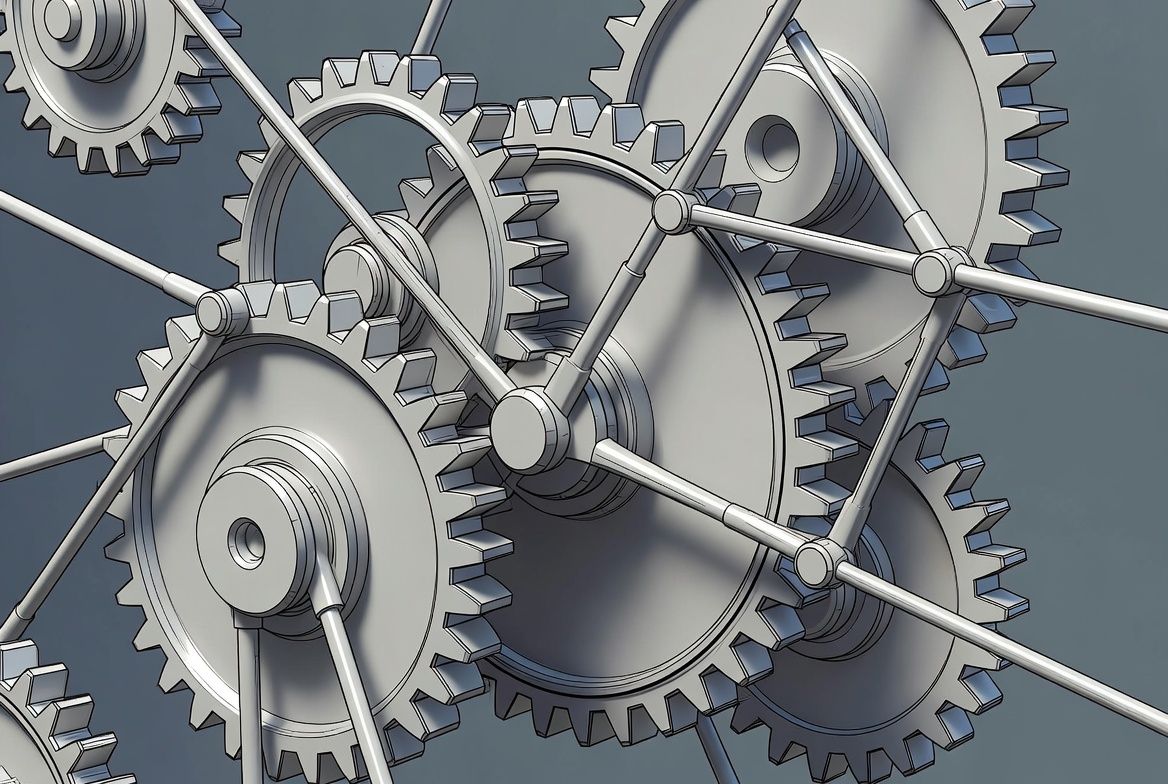
This is the first clue that our cultural conversation about “happiness chemicals” has been dangerously oversimplified. We’ve been taught to imagine dopamine and serotonin as rival sports teams—dopamine the racier squad handling pleasure and motivation, serotonin the steady defense managing contentment. But the truth is far stranger and more intimate. These molecules don’t just coexist; they are conducting a constant biochemical negotiation that determines whether you feel driven or peaceful, anxious or motivated, alive or numb.
The Gas Pedal and the Shock Absorbers
Think of dopamine as the gas pedal. Every time you anticipate a reward—a text message, a promotion, a piece of chocolate—your ventral tegmental area floods with dopamine. This isn’t pleasure itself; it’s the *promise* of pleasure, the neurological equivalent of “hurry up and get here.” Dopamine makes you chase. It transforms wanting into movement. When it’s firing, you scroll, you snack, you grind. When it collapses, you experience anhedonia—that flat, gray inability to care about anything, a symptom common in both depression and Parkinson’s disease.
Serotonin, meanwhile, acts like shock absorbers on a car. While dopamine asks “what’s next?”, serotonin answers “this is enough.” It modulates the release of other neurotransmitters, preventing your emotional engine from redlining. Without adequate serotonin, the world feels prickly and unbearable; intrusive thoughts don’t bounce off, they embed. This is why low serotonin correlates not just with sadness, but with irritability, insomnia, and the sensation that your skin is worn too thin.
But here is where the story takes a twist: these two systems are not independent. They are locked in a chemical conversation so complex that we’re only now beginning to eavesdrop.
The Secret Handshake Between Motivation and Peace
In 2010, researchers discovered something that disrupted the neat categorization of these neurotransmitters. They found that atypical antipsychotics—drugs designed to modulate dopamine—couldn’t boost dopamine release in the prefrontal cortex without first activating specific serotonin receptors (5-HT1A). The dopamine system, it turned out, was taking orders from serotonin. It was like discovering that the gas pedal only works if the shock absorbers give the all-clear.
This discovery revealed a troubling reality for mental health treatment. You cannot fix a “dopamine problem” without accounting for serotonin, and vice versa. Selective serotonin reuptake inhibitors (SSRIs), the most commonly prescribed antidepressants, don’t just elevate serotonin; they indirectly boost dopamine signaling in specific circuits. Conversely, hyperdopaminergic states—like those seen in certain genetic models of addiction—disrupt serotonin transmission by altering the expression of enzymes that break down monoamines.
The implications are staggering. When you feel the urge to check your phone for the twentieth time, that’s dopamine. But whether that urge feels like a gentle nudge or a desperate compulsion depends on your serotonin levels. We are not chasing happiness; we are negotiating a chemical treaty between urgency and ease.
The Controversy Nobody Talks About
But this is where it gets complicated. Despite serotonin’s reputation as the “feel-good hormone,” the evidence for its role in depression is messier than pharmaceutical advertisements suggest. Recent analyses from Harvard Health and other institutions acknowledge that the “low serotonin causes depression” theory is likely oversimplified. Yes, serotonin regulates emotional balance, and yes, tryptophan depletion can worsen mood in vulnerable individuals. Yet the causal arrow remains murky. Genetic studies suggest heritability accounts for only thirty-five to fifty percent of mood disorder risk, leaving enormous room for environmental factors, inflammation, and yes, that gut-brain axis where most of your serotonin actually lives.
This uncertainty matters because it explains why SSRIs help some people profoundly while leaving others emotionally blunted or nauseated. It suggests that depression might be less like a vitamin deficiency and more like a weather pattern— influenced by multiple atmospheric pressures. When serotonin rises too high, you risk serotonin syndrome: cognitive impairment, agitation, and potentially fatal autonomic dysfunction. The chemical that stabilizes can also destabilize if the tuning is off.
Eating Sunlight, Chasing Shadows
So what do we do with this chemical paradox? The research points toward a dual strategy that sounds almost constitutional in its checks-and-balances.
For dopamine, the evidence supports what your grandmother might have called “having something to look forward to.” Goal-setting, social connection, and aerobic exercise trigger release. But here’s the catch: the modern world has hacked this system. Ultra-processed foods, infinite scroll interfaces, and pornography deliver dopamine spikes without the effort that once earned them, creating tolerance and withdrawal cycles that mimic addiction. Your brain starts to believe that effort isn’t worth the reward because it’s drowning in counterfeit abundance.
Serotonin, conversely, requires a different kind of nourishment. Tryptophan-rich foods (turkey, nuts, milk) provide the raw material, but with a frustrating caveat: dietary tryptophan has trouble crossing the blood-brain barrier, competing with other amino acids for entry. This is why a Thanksgiving turkey doesn’t cure depression. Sunlight exposure proves more reliable, stimulating production through your retinas. Physical exercise helps here too, but the mechanism differs from dopamine’s reward-based pathway—exercise appears to increase the brain’s capacity to *use* the serotonin already present, rather than flooding the system with new pleasure signals.
And then there’s the gut. That ninety-five percent of serotonin in your intestines? It’s manufactured by enterochromaffin cells in response to microbiome signals. When your gut flora is inflamed or imbalanced, your peripheral serotonin production suffers, potentially sending distorted signals up the vagus nerve to your emotional brain. You could be taking SSRIs while sabotaging your natural production with a diet that keeps your intestinal serotonin factories on strike.
The Negotiation
The most honest conclusion from the neuroscience is perhaps the least satisfying: there is no single “happiness chemical,” and optimizing your mood requires managing a dynamic interplay rather than topping off a tank. Dopamine demands earned rewards, not stolen ones. Serotonin requires biological stability—sleep rhythms, light exposure, gut integrity—not just positive thinking.
For those with severe imbalances—Parkinson’s tremors, treatment-resistant depression, the anhedonia that makes waking feel impossible—clinical interventions remain essential. Transcranial magnetic stimulation, dopamine agonists, and carefully monitored SSRIs serve as crutches while the underlying system heals. But for the walking well, the prescription is simultaneously simpler and harder than a pill: structure your life so that motivation (dopamine) and contentment (serotonin) stop working at cross-purposes.
Because here is the final secret your intestines know: sustainable happiness isn’t the presence of pleasure, nor the absence of pain. It is the chemical art of wanting the things you already have, while still having the energy to reach for something new.