
The Eight-Hour Sparrow
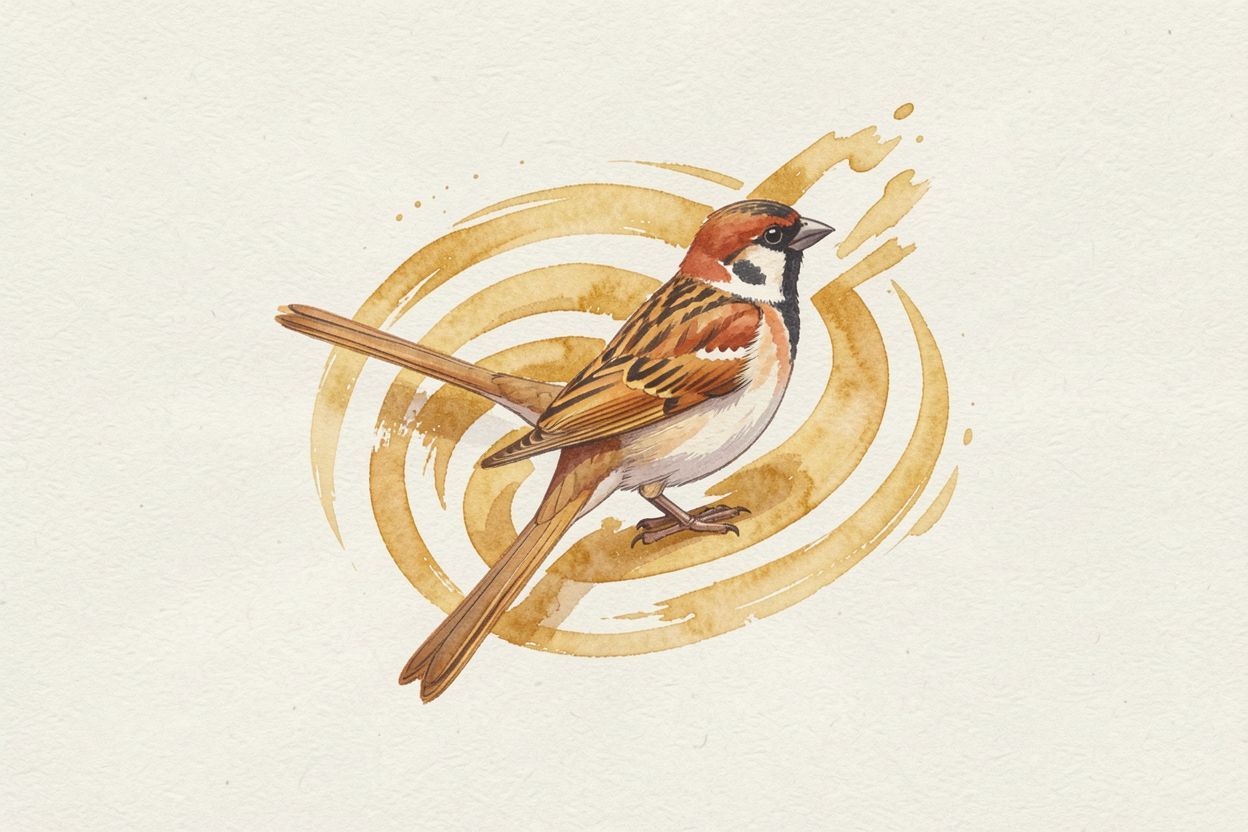
Eight hours of elevated mood from watching a bird for ninety seconds. That isn’t a haiku—it’s lab data. In research cited by Yale psychology professor Dr. Laurie Santos, participants who simply noticed birds during their day reported better mental health not just in the moment, but for eight hours afterward. The time investment? Roughly the span of a commercial break you’re usually trying to skip.
This is the quiet revolution in happiness research. While the wellness industry sells 30-day challenges and dawn yoga marathons, the actual science keeps pointing toward transactions so small they feel almost insulting: a two-minute breath between meetings. A single compliment. A glance out the window. And yet, somewhere between the clickbait promising «10 Micro-Habits That Will Change Your Life,» the evidence fractures. Some studies say three habits. One podcast promises ten but hides them behind a paywall. A Christian magazine lists eighteen, though several require God and a teapot.
This is where it gets interesting. Happiness might be built on minutes, but the architecture of that advice is built on sand.
The Myth of the Grand Gesture
We have been conditioned to believe that wellbeing requires capital—time capital, money capital, spiritual capital. You must journal for twenty minutes, walk ten thousand steps, find your purpose before breakfast. But Dr. Santos’s research suggests the opposite: the simple act of giving yourself a «tiny break»—two to five minutes to breathe between tasks—makes you feel «less time-famished.» It’s not the break itself; it’s the neural interruption of constant doing.
This finding lands with an almost embarrassing lightness. You mean I don’t need the Himalayan salt lamp? But that embarrassment is exactly why these habits work. They bypass your brain’s resistance system. As one recovery-focused guide noted, micro-habits exploit the fact that you are «more likely to do them»—too small to negotiate yourself out of, too brief to fail.
Why Everyone Keeps Saying Ten
Here’s the twist: there is no definitive list of ten. The number appears to be a marketing convenience, not a scientific threshold. In the research, three different sources promised ten habits, but only one actually delivered the list in accessible text. Another—an article from Cottonwood Psychology—advertised ten habits but hid the specifics behind a Medium paywall, leaving readers with only the meta-advice: pick one habit for a week before building more. A podcast episode from January 2025 made the same ten-habit promise but delivered only audio, leaving the curious to wonder if the habits even exist.
Meanwhile, Guideposts magazine provided eighteen habits (including prayer and progressive muscle relaxation), while Dr. Santos’s team distilled the evidence down to just three: tiny breaks, birdwatching, and giving compliments.
The variation isn’t trivial. It suggests that the field is still experimenting, and that «ten» is simply a number that converts well in headlines. The actual evidence clusters around four categories: gratitude practices, mindfulness moments, social connection, and nature exposure. Everything else is seasoning.
Your Brain Has a Five-Second Fuse
But knowing the habits is almost irrelevant if you don’t understand the ignition system. This is the implementation detail that separates the satisfied from the perpetually «starting tomorrow»: the five-second rule.
Derived not from food safety but from behavioral psychology popularized by Mel Robbins, this rule suggests you have exactly five seconds to act on a positive impulse before your brain kills it with logic. Want to step outside and look for birds? Count down 5-4-3-2-1 and move. Hesitate, and the mental chatter begins: *You’re busy. The neighbors will think you’re weird. Do it later.*
The Cottonwood Psychology research emphasizes this temporal fragility, advising readers to start with just one micro-habit for seven days before even *considering* a second. Not because two habits are hard, but because identity shifts require repetition, not variety. The goal isn’t to collect habits like Pokemon; it’s to make one automatic.
When God and Commerce Slip Between the Lines
Not all sources carry the same weight, and an honest accounting requires admitting the biases. Guideposts, which provided the longest list of habits, approaches the subject through an explicitly Christian lens—meaning some suggestions assume a prayerful audience. Meanwhile, several of the «10 habits» articles are content marketing funnels, designed to capture email addresses or sell supplements. The «buy my course» button often lurks just below the promise of instant bliss.
The strongest evidence remains Dr. Santos’s work at Yale, which references DOI-linked studies and controlled observations. But even here, there’s a caveat: the birdwatching study measures correlation, not just causation. Happy people might notice more birds, rather than birds making people happy. The direction of the arrow matters less than the relationship, but it’s a relationship we don’t fully understand yet.
The Honest Approach
So where does this leave the exhausted reader, bombarded by lists that keep changing length? It leaves you with four minutes and a choice.
The research consensus—however chaotic the packaging—suggests that happiness is less about optimization and more about interruption. Interrupt your stress with a four-minute nature break. Interrupt your isolation with a single text. Interrupt your autopilot with the question: *What am I grateful for right now?*
Start with the Yale trifecta: the break, the bird, the compliment. Do one. Do it for a week. Count 5-4-3-2-1 when you feel resistance. The eight hours of mood elevation won’t cost you a gym membership or a meditation app subscription. They’ll cost you the time it takes to watch a sparrow hop across a branch.
And if that feels too small to matter? That’s exactly how you know it’s working.