
The most powerful executives in your organization are probably lying to you right now. Not about earnings or strategy—about how they’re really doing. Over 70% of C-suite leaders admit that stress is a major challenge, and last year, 56% of them hit burnout, up from 52% the year before. Yet walk through any corporate office, and you’ll see the same performance: sharp suits, steady voices, coffee cups refilled while they insist they’re «just fine.»
But here’s the paradox that’s breaking our model of workplace wellness: the people who need self-care most are precisely those who believe they have no time for it. And the solution isn’t blocking out a week for a meditation retreat. It’s stealing back two minutes.
Why Your Wellness Retreat Was Probably a Waste of Money
We’ve been sold a flawed premise—that restoration requires escape. The spa weekend, the silent meditation retreat, the half-day workshop with a motivational speaker. These events feel virtuous precisely because they’re inconvenient, but research suggests they’re largely performative when it comes to long-term resilience.
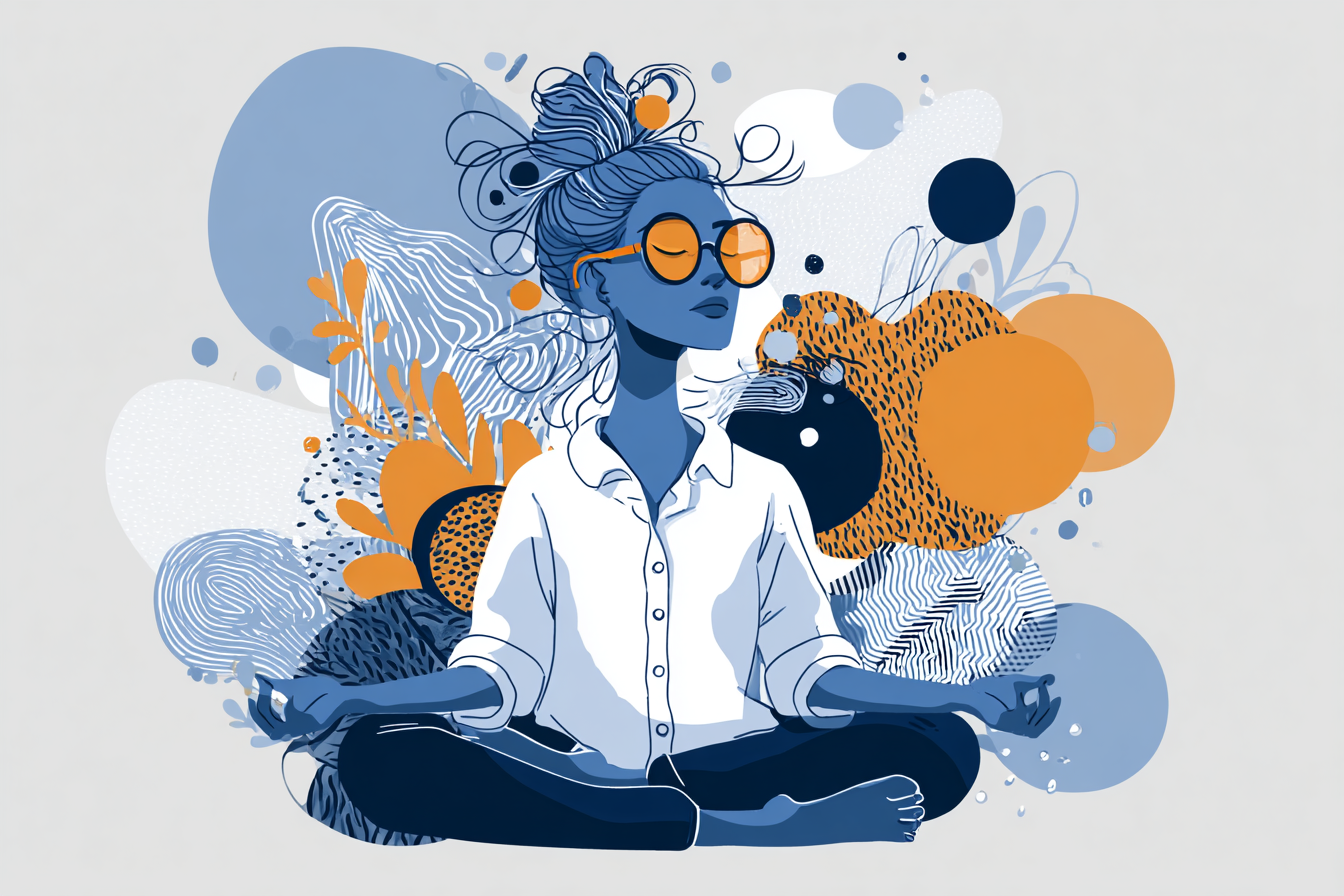
The evidence points to a different model entirely. Micro-practices—actions taking between two and five minutes—consistently outperform the occasional grand gesture. Not because they’re more dramatic, but because they’re repeatable. A breathing exercise at your desk between meetings builds more psychological armor than that yoga class you attended once in March and felt guilty about skipping ever since.
This is where it gets interesting. The human stress response doesn’t require an hour to reset; it requires interruption. When you pause for 120 seconds to regulate your breathing or stretch your shoulders, you’re not just «taking a break»—you’re chemically disrupting the cortisol cycle before it entrenches itself in your nervous system.
The Two-Minute Rule That Actually Works
The mechanics are surprisingly specific. Studies indicate that the magic threshold sits at two to five minutes—long enough to shift your physiological state, short enough that your lizard brain won’t scream that you’re falling behind on email.
Think of it like charging your phone. You wouldn’t wait until your battery hits zero to plug it in for eight hours; you top it up throughout the day. Your attention span works the same way. That 90-minute focus block everyone recommends? It’s only sustainable if you’re micro-charging between sessions.
But consistency is the non-negotiable variable here. Five minutes every day beats sixty minutes once a week because you’re training your nervous system to recover quickly, not just recover occasionally. The executives who report sustainable high performance aren’t necessarily doing more; they’re interrupting their stress cycles more frequently.
The Culture of Silent Suffering
Here’s where the research reveals something uglier than mere statistics. Executives aren’t just skipping self-care because they’re busy—they’re actively hiding their struggles, treating chronic stress as a badge of honor or an inevitable tax on leadership. This creates a dangerous cultural feedback loop: when the boss normalizes exhaustion, everyone else follows suit.
It’s a peculiar form of professional vanity. We’ve conflated suffering with dedication, as if a migraine during a board meeting signals commitment rather than cognitive decline. But the data cuts through this mythology. Physical and mental maintenance isn’t a luxury for high-performers—it’s a competitive advantage. The leaders who treat their brains like high-performance engines (requiring specific maintenance schedules) consistently outperform those running on fumes and adrenaline.
The Ripple Effect Nobody Talks About
This is where self-care stops being a personal indulgence and becomes an organizational strategy. When a leader models sustainable recovery—actually taking that two-minute pause before a difficult conversation, visibly protecting a focus block, admitting when they need a reset—it creates permission structures throughout the hierarchy.
Resilient leadership generates what researchers call a «positive ripple effect.» Teams led by executives who practice micro-recovery show measurably better communication, higher sustained performance, and significantly lower burnout rates. Your self-care isn’t selfish; it’s infrastructure. You’re not stepping away from the team to tend to yourself; you’re demonstrating how sustainable excellence actually works.
When Two Minutes Isn’t Enough
But we need to be honest about the limitations. While micro-practices can prevent burnout and manage daily stress, they’re not a treatment plan. If you’re experiencing persistent anxiety, insomnia, or that specific flavor of dread that greets you every morning before coffee, two-minute breathing exercises won’t cure it—they’ll just help you function while unwell.
The research is clear on this distinction. Quick practices are preventive maintenance, not repair surgery. When symptoms become entrenched, professional mental health support becomes non-negotiable. The goal isn’t to use这五分钟的技巧 to white-knuckle through clinical burnout; it’s to create enough daily stability that you can accurately assess whether you need more intensive help.
Your New metric: Consistency Over Intensity
So abandon the fantasy that you’ll find time for that hour-long workout, the elaborate skincare routine, or the perfect morning meditation. Start smaller. Pick one two-minute practice—box breathing at your desk, a shoulder roll between video calls, actually eating lunch away from your keyboard—and do it daily for two weeks.
Track the streak, not the duration. The executives who are thriving right now aren’t the ones with the most elaborate wellness routines; they’re the ones who interrupted their stress cycles today, and yesterday, and the day before. They’re treating their mental health like compound interest—small deposits, daily, that accumulate into something substantial.
Because 56% burnout rates aren’t a statistic. They’re a warning that the old model is broken. And the fix is sitting right there in the two minutes before your next meeting starts.