
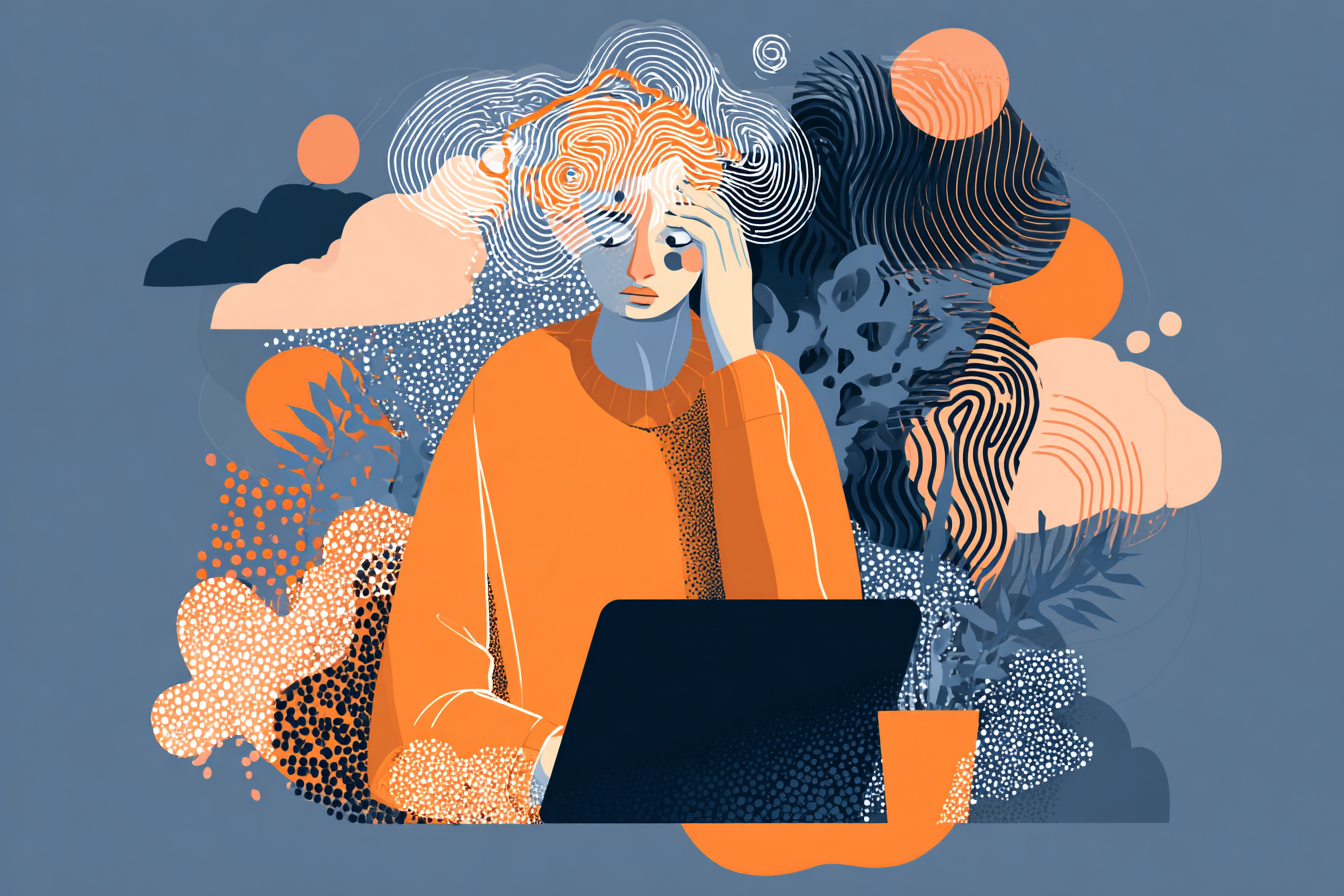

The Slot Machine in Your Pocket
Loren Brichter never intended to build a Skinner box. In 2009, the iOS developer simply wanted an elegant way to update Twitter. His invention—pull-to-refresh—seemed innocent enough: drag the screen down, release, watch for new content. What he couldn’t foresee was how this gesture would become the universal interface for addiction, replicating the variable reward schedule of a Las Vegas slot machine. Pull. Pause. Maybe a dopamine hit, maybe nothing. Repeat.
Brichter later admitted he regrets the innovation. By then, the damage was systemic. The average American now touches their phone 2,617 times per day, checking every 12 minutes even during the night. Somewhere between the infinite scroll and phantom vibration syndrome—the creepy sensation of a buzzing phone that isn’t actually buzzing—we stopped asking what these tools were doing to our capacity for sustained thought.
Your Brain on Infinite Scroll
The neuroscience is unsettlingly specific. Every notification triggers a dopamine spike followed by a cortisol crash, the neurological equivalent of snacking on pure sugar: momentary satisfaction, then immediate craving. Dr. Anna Lembke, who runs Stanford’s Addiction Medicine clinic, describes this as the «pain-pleasure balance»—a biological seesaw that tilts further toward withdrawal symptoms the more we indulge.
But here is where it gets interesting. The damage isn’t just chemical; it’s structural to how we process reality. Researchers at the University of California, Irvine, found that after an interruption, it takes an average of 23 minutes to return to deep cognitive focus. We aren’t merely distracted; we’re living in permanent cognitive debt, paying interest on every glance. Each context switch incurs a «residue» of attention that sticks to the previous task, fragmenting our concentration into unusable shards.
The mental health correlations are stark and non-coincidental. Between 2007 and 2015, as smartphones moved from luxury to necessity, rates of major depressive episodes among adolescents rose by 52 percent. Anxiety disorders spiked. Sleep quality cratered. Jean Twenge’s longitudinal research at San Diego State University reveals a cliff-edge shift around 2012—the moment when smartphone ownership crossed the 50 percent threshold and social media became predominantly mobile rather than desktop-based. Suddenly, loneliness wasn’t just an emotion; it was a design feature.
Why the Wellness Industry Gets It Wrong
This is where the narrative usually pivots to scented candles and rustic cabins with spotty WiFi. The $4.5 trillion wellness industry has commodified «digital detoxing» into luxury retreats and artisanal journals. Unplug to find yourself. Disconnect to reconnect. The marketing is seductive and fundamentally dishonest.
It misunderstands the architecture of addiction. When Instagram’s designers employ the same persuasive technology used by gambling machine engineers—intermittent variable rewards, social reciprocity pressure, infinite content streams—individual willpower becomes laughably inadequate. Willpower is a finite daily resource; the casino never sleeps. Worse, the «detox» framing treats technology as a toxin to be purged rather than a tool to be governed. It suggests that 48 hours of abstemious suffering will reset some internal balance, after which we return eagerly to the same toxic relationship.
Studies tracking self-imposed digital detox participants show that most revert to baseline screen time within 72 hours, often exceeding it due to deprivation rebound. The problem isn’t that we lack moral fiber. The problem is that we’re fighting against environments engineered to defeat us.
Environmental Defense, Not Personal Discipline
If willpower is the wrong weapon, what actually works? The uncomfortable answer is environmental design.
Start with the rectangle itself. Switching your phone to grayscale eliminates the dopamine-triggering cues of red notification badges and candy-colored app icons. It’s a simple hack that reduces screen time by an average of 37 minutes daily, according to research from the University of Texas—not because you’re trying harder, but because the device becomes visually boring.
But that’s only half the story. The real shift happens when you treat your attention like a protected natural resource rather than an open mine. Create «speed bumps»—physical or digital friction that makes mindless checking slightly harder than it’s worth. Delete the apps, don’t just hide them in folders; use the browser versions, which are deliberately clunkier and less optimized for addiction. Charge your phone outside the bedroom; buy an alarm clock, that radical piece of retro technology. When the removal of friction is the enemy, introduce it intentionally.
For social media specifically, curate aggressively or abandon. The comparison mechanisms—your ex’s vacation photos, your colleague’s promotion—aren’t side effects; they’re the primary engagement driver. If you wouldn’t invite these people to stand in your bedroom at midnight whispering their accomplishments, why grant them digital access to your amygdala?
The Attention Restoration Project
The final piece requires reconceptualizing what we’re actually reclaiming. It isn’t «time» in the abstract. It’s the capacity for boredom—that liminal mental space where creativity actually gestates. When every spare moment is colonized by the glowing rectangle—waiting for coffee, sitting in a Lyft, lying in bed—we lose the diffuse neural processing that generates novel insights. The brain’s default mode network, responsible for autobiographical thinking and future planning, only activates during unfilled time.
Start small and specific. Choose the two hours when you do your most valuable work and physically remove the phone from the room. Not on silent. Not face-down. Gone. The anxiety will spike for three days, then plateau, then diminish. You’re not just breaking a habit; you’re rewiring your insula’s threat-detection system to recognize that missing a notification won’t kill you.
What we’re really detoxing from isn’t technology—it’s the abdication of agency. The screens will keep getting brighter, the algorithms more sophisticated, the variable rewards more precisely calibrated. But the architecture of your attention remains your own. You don’t need a retreat to reclaim it. You need a door that closes.


