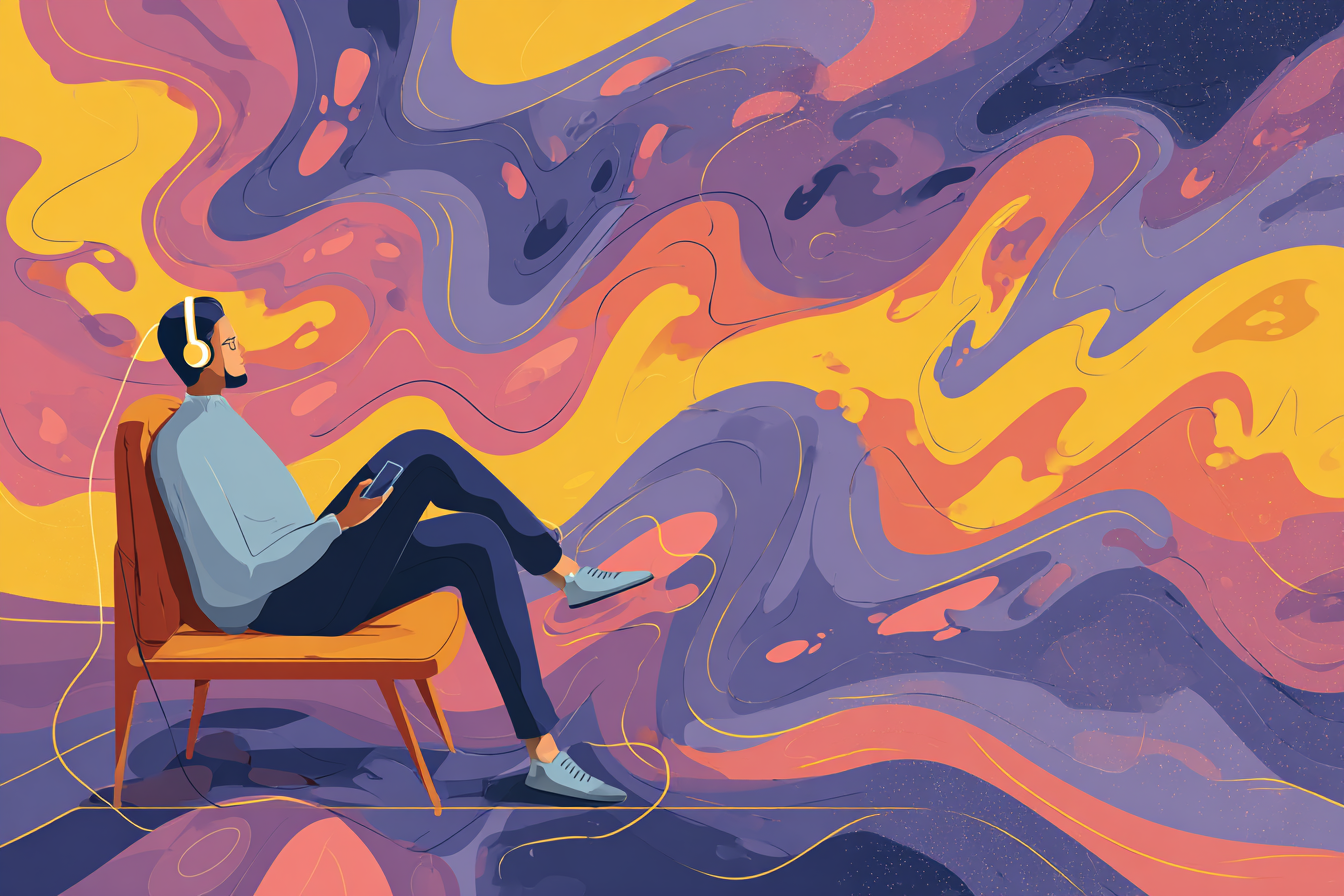

Your thumb moves in an infinite loop—down, refresh, down, refresh—yet twenty minutes later, you cannot recall a single image you consumed. This mechanical grazing, which the average adult repeats nearly a hundred times daily, has quietly rewired our neural architecture without our consent. We have mistaken constant connectivity for genuine connection, and the bill is coming due not in dollars, but in fractured attention, hollowed creativity, and a peculiar modern loneliness that persists even in crowded rooms.
The Attention Residue We Never Signed Up For
When Sophie Khan, a litigation attorney in Chicago, deleted Instagram from her phone last March, she experienced something she hadn’t felt since law school: the ability to read twenty pages of dense text without her hand drifting toward a phantom rectangle. «It wasn’t that I wanted to check my phone,» she told me. «It was that my brain seemed to be waiting for an interruption that never came.»
Sophie’s sensation aligns with what researchers at the University of California, Irvine, discovered about «attention residue»—the cognitive hangover that persists for up to twenty-three minutes after an interruption. Each notification, each phantom vibration, leaves a thin film of mental clutter. Gloria Mark, who led the research, found that the average knowledge worker now focuses on a single task for just forty-seven seconds before switching. This isn’t multitasking; it is cognitive shrapnel.
The irony stings. We adopted smartphones to maximize productivity, yet a 2021 study from the University of Texas revealed that merely having a phone nearby—even powered off—reduces available cognitive capacity. Your phone on the desk acts like a cognitive vacuum, silently siphoning the mental resources you need for deep work. The benefits of separation begin not with a week-long retreat, but with the radical act of placing the device in another room.
The Sleep Thieves in Our Pockets
But the invasion doesn’t halt at sunset. If you are like sixty percent of American adults who check their phones within thirty minutes of attempting sleep, you are conducting chemical warfare against your own brain. The blue light emitted by screens suppresses melatonin production with an efficiency that would impress a pharmaceutical engineer, delaying the onset of REM sleep by up to thirty minutes per night.
More insidious, however, is the psychological hyperarousal. When neuroscientists at the University of Michigan monitored sleep patterns, they found that evening screen exposure doesn’t just delay sleep—it fragments it. Participants who engaged with social media before bed experienced «micro-arousals,» brief awakenings throughout the night that they didn’t consciously register but that prevented the brain from entering the glymphatic cleansing process essential for memory consolidation and emotional regulation.
The transformation upon unplugging is neither subtle nor gradual. Within three days of implementing a «digital sunset»—powering down devices at 8 PM—subjects in a University of Pennsylvania study reported falling asleep twenty minutes faster and rating their morning alertness thirty percent higher. They were not sleeping more; they were sleeping better. The brain, finally undisturbed, could perform its nightly maintenance.
The Boredom That Birthed Genius
Here is where the narrative takes an unexpected turn. We have designated boredom as the enemy to be slaughtered by infinite scroll, yet neuroscientists now understand that boredom is the gateway to creativity. When researchers at the University of Central Lancashire asked participants to complete a creative problem-solving task after either engaging with a mundane copying activity or watching a video, the bored group outperformed the entertained group by forty percent.
This phenomenon illuminates the default mode network—a brain system that activates only when we are not focused on external stimuli. During these seemingly idle moments, the brain engages in «future planning, autobiographical processing, and creative synthesis,» explains Dr. Marcus Raichle of Washington University. When we fill every elevator ride, every grocery queue, every pause between conversations with digital stimulation, we are effectively performing cognitive deforestation, clearing the mental wilderness where original ideas germinate.
Consider the implications: Your shower thoughts—that sudden solution to the problem that eluded you all day—require mental whitespace. The digital detox is not merely about removing distraction; it is about restoring the neurological conditions necessary for insight.
The Intimacy Within Arm’s Reach
Perhaps the most poignant research emerges from the observation booths of coffee shops and dinner tables. Sherry Turkle at MIT has spent decades documenting what she calls «alone together»—the paradox of physical proximity combined with psychological absence. When partners place phones on restaurant tables, the quality of their conversation measurably deteriorates, even when the devices remain face-down.
The mechanism is social latency. A visible phone introduces the «possible elsewhere,» a ghost presence that signals your divided loyalty. In studies where couples were separated into phone-present and phone-absent conditions, those with devices reported feeling less empathy from their partners and rated the relationship quality lower, despite identical conversational content.
But the benefits of unplugging extend beyond romantic dyads. When the University of Pennsylvania conducted the first randomized controlled trial of limiting social media to thirty minutes daily, participants reported significant reductions in loneliness and depression after just three weeks. Notably, the control group—who continued unrestricted use—experienced no such improvements. The data suggests that digital connection operates on a toxic curve: moderate use maintains bridges, while heavy use corrodes them.
The Myth of All-or-Nothing
Yet the most sophisticated research resists the «digital detox» as a binary sacrament—purification through total abstention followed by inevitable relapse. Dr. Larry Rosen, a psychologist studying technology and addiction, found that complete digital renunciation often triggers anxiety responses that outweigh the benefits. The brain, conditioned to micro-doses of dopamine, requires weaning rather than amputation.
The sustainable approach, validated by longitudinal studies from the University of British Columbia, involves «stimulus control» rather than elimination. Participants who designated specific «phone zones» in their homes, used grayscale displays to reduce visual allure, and established «tech sabbaths»—twenty-four-hour periods of disconnection—reported sustained improvements in well-being six months later. They did not become Luddites; they became engineers of their own attention.
What emerges from the data is not a manifesto against technology, but a reclamation of human pacing. The notification—that red badge demanding immediate resolution—operates on machine time, not biological time. When we unplug, even briefly, we are not escaping reality; we are reasserting the temporal rhythms that existed for millennia: the pause, the reflection, the sustained gaze.
Your phone will wait. The question is whether you can afford to let it.