
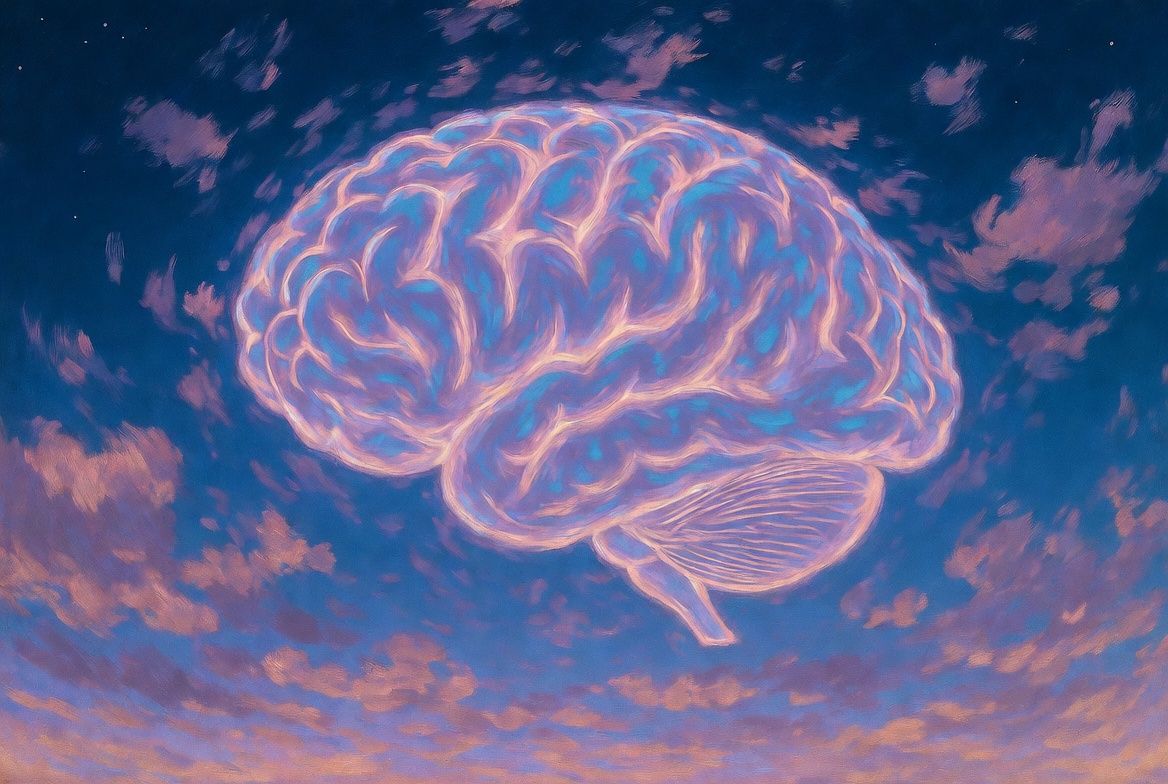

At 3:17 AM, your brain becomes a conspiracy theorist.
Every embarrassing moment from 2009 replays in IMAX clarity. Tomorrow’s presentation transforms into an inevitable catastrophe. Sleep, which arrived effortlessly when you were five years old and afraid of nothing, now sits behind a velvet rope you can’t afford. The cruel irony? This nightly betrayal doesn’t just leave you tired—it dismantles your psychological defenses while you lie there scrolling.
The relationship between how you sleep and how you feel isn’t merely correlational; it’s chemical, architectural, and increasingly understood as bidirectional. Fix the sleep, and you don’t just fix the fatigue—you alter the trajectory of your mental health. But «fixing» sleep requires understanding that insomnia isn’t always a symptom of depression. Sometimes, it’s the fuse.
Sleep as Emotional Architecture
Your brain doesn’t power down at night—it reorganizes. During healthy sleep cycles, the amygdala (your brain’s panic button) gets a nightly massage from the prefrontal cortex (the rational manager). This keeps emotional reactions proportionate to actual threats. When sleep fragments, that regulatory connection frays.
Researchers looking at neuroimaging have found that sleep-deprived brains show 60% more amygdala reactivity to negative stimuli. It’s not that bad things hurt more when you’re tired—it’s that your brain literally loses the ability to contextualize them. A critical email reads like a termination notice. A silence from a partner becomes evidence of abandonment. Without REM sleep’s emotional housekeeping, yesterday’s anxieties become tomorrow’s obsessions.
This is where sleep hygiene stops being a wellness buzzword and becomes behavioral architecture. The term itself—sleep hygiene—implies contamination. And accurately so. Blue light, irregular schedules, caffeine half-lives stretching into dinner, and the horizontal scroll through infinite content don’t just «disrupt» sleep. They pollute the neurochemical environment necessary for memory consolidation and emotional regulation.
The Depression-Insomnia Paradox
For decades, clinicians treated insomnia as a secondary complaint—the annoying little sibling of «real» psychiatric disorders. This was a costly diagnostic error. Longitudinal studies tracking at-risk populations now suggest that non-depressed individuals with persistent insomnia are twice as likely to develop depression compared to their well-rested counterparts. The sleep problem precedes the mood disorder.
The mechanism is insidious and mechanical. Chronic sleep disruption alters serotonin transmission and increases inflammatory markers like IL-6 and C-reactive protein—biological kindling for depression. Moreover, the cognitive distortions characteristic of depression (catastrophizing, rumination) are cognitively expensive. They require glucose and neural resources that sleep deprivation has already depleted. It’s like trying to run antivirus software on a computer with 2% battery.
But here’s where the plot thickens: treating the insomnia directly—through Cognitive Behavioral Therapy for Insomnia (CBT-I) rather than just prescribing sedatives—often produces remission in depressive symptoms faster than antidepressants alone. This suggests that for a significant subset of patients, poor sleep isn’t a consequence of depression; it’s the primary driver. The mood disorder is, in essence, a sleep disorder that went metastatic.
The Hygiene Hypothesis vs. The Hard Cases
Better sleep habits occupy a strange place in mental health discourse. They’re simultaneously treated as insufficient (merely «lifestyle changes») and overwhelming (requiring strict discipline the depressed brain cannot marshal). Both framings miss the neuroplasticity of the intervention.
Effective sleep hygiene isn’t about perfection; it’s about consistency cues. The brain’s suprachiasmatic nucleus—the master clock—calibrates based on zeitgebers (time-givers): light, temperature, social interaction. When these signals scatter, cortisol rhythms flatten, and melatonin release becomes erratic. The result isn’t just tiredness; it’s a flattening of affect that mimics anhedonia.
Practical architecture looks specific: 10 PM dimming protocols (not just «put your phone away,» but actual lumen reduction), 65-68 degree bedroom temperatures (thermoregulation is non-negotiable for sleep onset), and wake-time anchoring (fixing the morning, not the evening, proves more effective for circadian disorders). These aren’t pampering rituals. They’re the external scaffolding required while internal neurochemistry stabilizes.
When Good Hygiene Isn’t Enough
But we need to acknowledge the limits of this narrative. For those with obstructive sleep apnea, restless leg syndrome, or trauma-related nightmares, lavender spray and blue-light filters are insultingly inadequate. Sleep hygiene cannot replace CPAP machines or process traumatic memories stuck in REM loops.
Additionally, the «sleep quality mood» connection isn’t linear for everyone. Hypersomnia—sleeping too much—is equally predictive of depression in adolescents and certain bipolar subtypes. Some antidepressants themselves disrupt sleep architecture, trading six hours of nightmare-ridden unconsciousness for emotional stability. The relationship is pharmacologically messy.
What remains clear is that sleep cannot be compartmentalized into a lifestyle column while mental health sits in the pathology column. They’re the same system viewed from different angles. Treating depression without addressing sleep architecture is like trying to regulate blood sugar in someone who won’t stop skipping meals. The intervention exists, but it requires plumbing, not just willpower.
The Reorganization
Tomorrow night, when 3 AM arrives and your brain offers its primetime horror marathon, remember: you’re not just fighting fatigue. You’re defending your prefrontal cortex’s ability to distinguish between signal and noise, between a manageable Tuesday and an existential threat.
The data consistently points to sleep not as a reward for good mental health, but as its prerequisite. Reclaiming it isn’t self-care—it’s structural maintenance on the machinery of consciousness. And it starts not with perfection, but with the radical act of treating your circadian rhythm as non-negotiable infrastructure, as load-bearing as the walls around you.



