
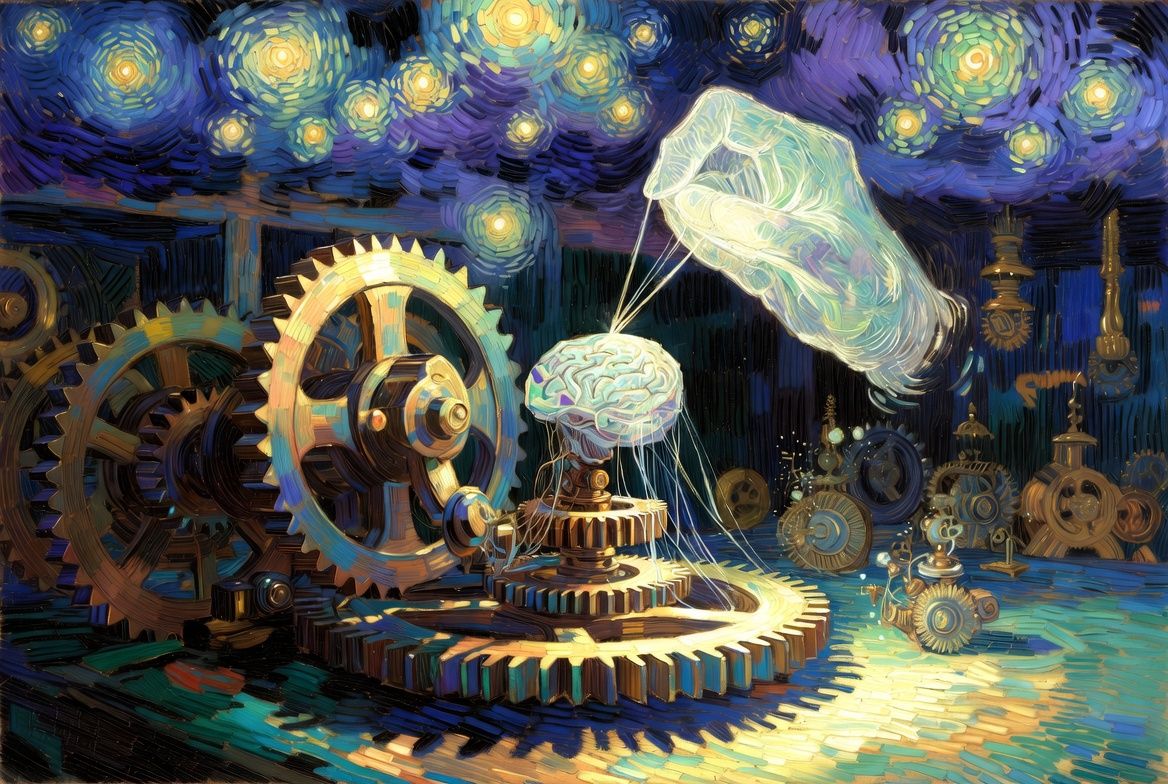

The Brain’s Nightly Repair Shop Closes at Midnight
You think you’re just tired. Your eyelids feel heavy, your coffee intake has doubled, and you snapped at a colleague over a misplaced stapler. But what’s actually happening inside your skull is far more dramatic than simple fatigue. After seventeen hours without sleep, your brain begins to function like it’s legally drunk. After twenty-four, your emotional control centers start to look, neurologically speaking, like they’re undergoing a meltdown.
The relationship between sleep loss and mental health isn’t merely correlational—it’s causal, vicious, and bidirectional. When you cut sleep short, you aren’t just borrowing time from the night; you’re taking out a high-interest loan against your psychological stability. And the debt collector always comes calling.
Your Amygdala on Fire
Deep in the temporal lobe sits the amygdala, an almond-shaped cluster of neurons that acts as your brain’s threat detection system. In a well-rested brain, the prefrontal cortex—your internal adult—keeps this structure on a short leash, evaluating whether that shadows-in-the-corner is actually a predator or just a coat rack. Sleep deprivation severs that connection.
Research demonstrates that after just one night of restricted sleep, amygdala reactivity to negative stimuli jumps by approximately sixty percent. Meanwhile, the prefrontal cortex shows diminished communication with this emotional accelerator. The result isn’t just irritability; it’s a fundamental alteration in how you perceive reality. The world doesn’t just feel worse—it actually looks more hostile. Faces appear untrustworthy, neutral comments land as criticisms, and minor setbacks trigger cascade reactions of catastrophic thinking.
This neurological shift explains why sleep-deprived individuals don’t simply experience sadness—they experience emotional vulnerability that mimics clinical anxiety disorders. The brain loses its capacity for emotional granularity, collapsing the subtle spectrum of human feeling into binary extremes: panic or numbness.
The Cortisol Trap
But that’s only half the story. Sleep loss doesn’t just amplify existing emotions; it rewires your stress response architecture. During healthy sleep, particularly during deep slow-wave stages, the brain flushes cortisol—the primary stress hormone—through glymphatic drainage channels. When you stay awake, this cleansing process stalls. Cortisol accumulates, and the hypothalamic-pituitary-adrenal axis shifts into persistent high alert.
Here’s where it gets interesting: elevated evening cortisol makes falling asleep the next night physiologically harder. You enter a self-perpetuating cycle where anxiety breeds wakefulness, and wakefulness breeds anxiety. Clinicians now recognize this not as insomnia causing anxiety or vice versa, but as two expressions of the same hyperaroused neurological state. Treat one without addressing the other, and both tend to relapse.
The Emotional Distortion Field
Perhaps most insidiously, sleep deprivation warps your self-perception. Studies tracking emotional regulation show that sleep-deprived subjects maintain reasonable objective performance on cognitive tasks—they can solve problems, follow instructions, complete workflows. Where they fail is metacognition: they cannot accurately judge their own impairment.
This creates a dangerous blind spot. You snap at your partner, dismiss it as justified irritation, and never connect it to the four hours of sleep you got three nights ago. Over time, these accumulated micro-reactions erode relationships, professional credibility, and self-image. The sleep-deprived brain becomes a unreliable narrator of its own experience, attributing external causes to internal chemical chaos.
Sleep Hygiene Is Not a Lifestyle Trend
When we talk about sleep hygiene, we’re not discussing aesthetic morning routines or expensive pajamas. We’re referring to environmental and behavioral conditions that protect your brain’s overnight maintenance schedule. Light exposure management proves critical—melatonin suppression from blue light delays sleep onset by disrupting circadian signaling. But caffeine deserves equal scrutiny: consumed after noon, it blocks adenosine receptors for up to ten hours, preventing the chemical buildup that triggers sleep pressure.
The temperature narrative matters too. Your core body temperature must drop by approximately one degree Celsius to initiate sleep efficiently. This biological constraint explains why overheated bedrooms or late-night exercise sabotage rest more effectively than mere duration reduction. You might spend eight hours in bed, but if thermal conditions are wrong, you’ll cycle through lighter sleep stages, missing the deep-wave repair work that stabilizes next-day mood.
The Recovery Myth
Can you catch up? The evidence suggests partial recovery is possible, but emotional regulation shows lingering deficits. After a week of restricted sleep followed by recovery nights, objective alertness returns to baseline, but emotional volatility and stress reactivity remain elevated. Your brain remembers the debt, particularly in the limbic system.
This resilience gap challenges our cultural mythology of the warrior who thrives on four hours. What looks like functional adaptation is often simply reduced self-awareness of impairment. The executive who boasts about minimal sleep while running a company may merely be someone whose prefrontal cortex is too depleted to recognize their own emotional blind spots.
When the Night Becomes the Enemy
For those already struggling with anxiety disorders, sleep hygiene advice can feel like being told to swim harder while drowning. The insomniac brain develops conditioned arousal—the bedroom becomes associated with wakefulness and worry. In these cases, behavioral interventions like stimulus control (leaving bed when awake for more than twenty minutes) and paradoxical intention (deliberately trying to stay awake) often outperform medication by breaking the anxiety-sleep anxiety cycle.
The data is unambiguous: treating sleep disturbances in patients with depression and anxiety produces effect sizes comparable to some pharmaceutical interventions, with lower relapse rates. Sleep isn’t a luxury adjunct to mental health treatment—it is the foundation upon which other interventions build.
The Collective Unconscious
We are running a civilization on chronically underslept brains. The cost manifests not just in individual therapy bills, but in political polarization, road rage, medical errors, and decision-making failures at every level of power. When half the population operates with compromised amygdala-prefrontal connectivity, society itself becomes more reactive, less nuanced, more prone to binary thinking.
The next time you feel the edges of your patience fraying, consider that you might not be facing a character flaw or a situational crisis. You might simply be witnessing your brain’s threat detection system screaming for the maintenance it was promised—eight hours ago, in the darkness, when the repair shop was still open.



