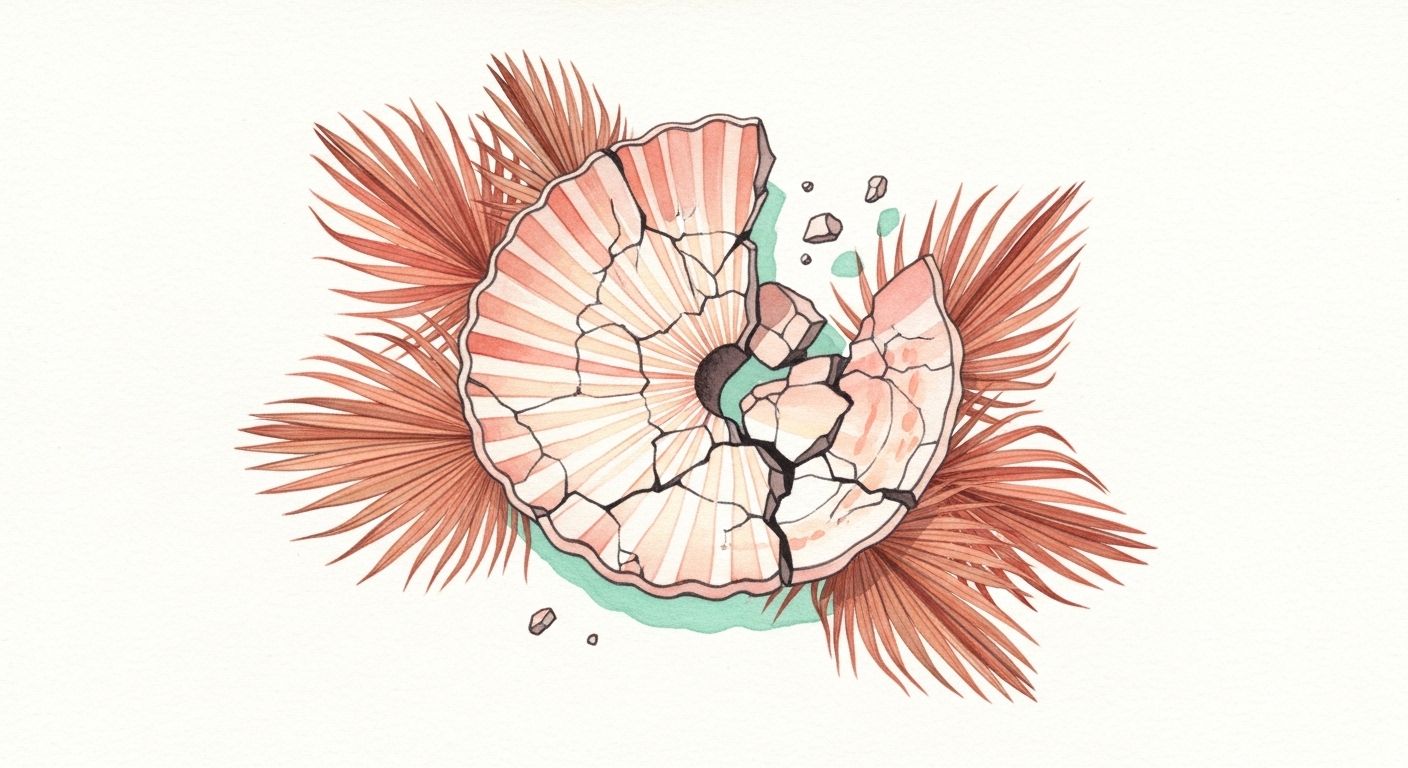

The Vacation That Didn’t Work
Sarah took fourteen days of palm trees and silence. She slept ten hours nightly, drank water instead of coffee, and deleted Slack from her phone. On the flight home, she opened her laptop to scroll through unanswered emails and felt her chest tighten with the same dread she’d left behind. Nothing had changed.
This is the first clue you’re dealing with burnout, not stress. Stress yields to rest; burnout ignores it. According to the World Health Organization’s 2019 classification and the ICD-11, burnout is a distinct occupational phenomenon—a syndrome of chronic workplace stress that has not been successfully managed—while stress is merely the body’s temporary physiological response to demands. One is a sprint you can finish; the other is structural damage to the building.
The Three Dimensions of Collapse
To understand why Sarah returned from Bali just as exhausted, you need to look past the generic term «exhaustion.» Burnout operates on three specific axes, first defined by researcher Christina Maslach and later codified by the WHO: emotional exhaustion, cynicism (or depersonalization), and reduced professional efficacy.
Stress might leave you frazzled before a deadline but energized after you hit «send.» It can actually boost short-term productivity. Burnout, by contrast, hollows you out. Emotional exhaustion means you don’t just feel tired; you feel fundamentally unable to care. Cynicism transforms from healthy skepticism into a defensive detachment where you view colleagues as obstacles and clients as burdens. Reduced efficacy isn’t a bad performance review—it’s the creeping conviction that nothing you do matters, a feeling that persists regardless of external validation.
Research published in 2025 across 125 countries confirms that these dimensions form a syndrome distinct from depression or anxiety, though the conditions can overlap. The Mayo Clinic notes that while stress improves when the trigger is removed, burnout endures regardless of workload changes or vacation time.
The Five Stages of Slow Motion
Burnout doesn’t arrive overnight. It progresses through five identifiable stages, according to frameworks from HelpGuide and the IMD Business School. Recognizing where you—or your employees—sit on this trajectory is critical because the earlier you act, the better the outcome.
It begins with the **Honeymoon Phase**: high commitment, voluntary overtime, the seductive belief that pushing harder will fix systemic overload. Then comes **Onset of Stress**, where irritability appears and self-care habits slip. **Chronic Stress** follows—persistent fatigue, social withdrawal, and the first physical symptoms like headaches or insomnia. By the **Burnout** stage, pessimism dominates, obsessive focus replaces efficiency, and health neglect becomes routine. Finally, **Habitual Burnout** sets in: severe mental and physical fatigue that resembles clinical depression, with potential for substance misuse and chronic cardiovascular risks.
A Gallup-based survey from 2024 suggests that 76% of employees are somewhere on this spectrum, experiencing at least occasional burnout. Among healthcare workers, the numbers are more alarming: studies in Frontiers in Public Health document burnout rates of 30% to 50% in general medical settings, soaring to 80% in intensive care units where moral injury—psychological distress from being unable to provide ethical care—compounds the damage.
Why the Weekend Won’t Cut It
Here’s where the recovery narrative gets uncomfortable. If you’re burned out, a weekend offline or a meditation app won’t save you. The timeline betrays the severity: stress relief typically arrives in days or weeks through exercise, breathing techniques, or better time management. Burnout recovery demands three to six months of consistent, structured intervention.
The research is unambiguous on this point. Inuka’s clinical analysis and findings from Opening Minds (2025) confirm that burnout «is not alleviated by rest alone.» This isn’t because sufferers are doing self-care wrong; it’s because burnout is fundamentally a systemic problem wearing an individual’s face. As a 2025 Scientific Reports analysis notes, interventions have historically prioritized «individual resilience-building over systemic reforms,» creating an imbalance that keeps people sick.
When organizations prescribe yoga and mindfulness while maintaining crushing workloads and unclear expectations, they’re treating the fever while ignoring the infection.
The Dual Track: Individual Action and Structural Change
Effective recovery requires parallel efforts: the «Three R» framework (Recognize, Reverse, Build Resilience) at the personal level, and workplace restructuring at the organizational level.
**Individual strategies** show measurable impact within six to eight weeks when deployed correctly. Cognitive Behavioral Therapy (CBT)—specifically six to eight weekly sessions—demonstrates symptom reduction that persists for at least six months post-treatment. Physical activity matters too: thirty minutes of rhythmic exercise daily (or three ten-minute bursts) improves mood for up to two hours post-session, according to HelpGuide research. But these personal interventions must include boundary re-establishment: learning to delegate, saying no to additional responsibilities, and protecting sleep hygiene (seven to nine hours nightly).
**Organizational interventions** are non-negotiable. The IMD Business School and Mental Health UK emphasize that employers must address workload imbalance, provide mental health resources like Employee Assistance Programs (EAPs), and conduct regular check-ins. The 2025 Scientific Reports study specifically calls for «moral-injury mitigation»—addressing value conflicts between organizational demands and ethical practice—as essential for healthcare and high-stakes industries.
However, a tension exists in the research. Sources like HelpGuide (which maintains affiliate relationships with therapy platforms) emphasize individual therapeutic interventions, while workplace studies from IMD and Scientific Reports stress systemic reform. The truth likely lies in the interaction: individual therapy helps you survive the current environment, but without structural changes—reduced caseloads, clearer role definitions, and autonomy over work processes—the cycle resumes.
The Data Gaps and Warning Signs
Not all findings are equally certain. While the three core symptoms of burnout enjoy high confidence across WHO, Mayo Clinic, and Mental Health UK sources, the progression stages have only medium confidence—based largely on HelpGuide and IMD frameworks. Gender disparities show intriguing patterns—one Ukrainian study suggests women may be disproportionately affected—but cross-cultural data remains sparse.
What we do know with certainty is the warning sign checklist: chronic fatigue unresponsive to rest, emotional numbness, irritability, sleep disruption, and detachment from work that feels defensive rather than restorative. If these persist beyond two weeks despite rest, professional assessment is crucial to distinguish burnout from clinical depression, which requires different treatment.
From Recognition to Resilience
The final uncomfortable truth? Burnout reflects a mismatch between the worker and the workplace that can’t always be yoga-ed away. The «Three R» approach—Recognizing early signs, Reversing damage through therapy and lifestyle change, and Building Resilience—works best when organizations simultaneously examine their own contribution to the equation.
For individuals, the path forward starts with honesty: tracking mood after that ten-minute walk (does it lift for two hours, or not at all?), scheduling CBT within the next month, and identifying one systemic stressor—unrealistic deadlines, lack of control, isolation—that requires organizational advocacy rather than personal endurance.
For employers, the mandate is clear: audit workloads using objective metrics like overtime hours and patient-to-staff ratios, not just employee self-reports. Because when Sarah closes her laptop on Sunday night feeling exactly as she did before vacation, the problem isn’t her inability to relax. It’s the job she has to return to on Monday.