
The Mortality of Solitude
Loneliness kills roughly one hundred people every hour. If a Boeing 747 crashed every sixty minutes, killing everyone aboard, we would ground every aircraft until we fixed the problem. Yet we continue to tolerate social isolation despite evidence that its mortality risk rivals smoking fifteen cigarettes daily, exceeds the dangers of obesity, and increases the odds of premature death by nearly one-third. The World Health Commission on Social Connection, in its landmark 2025 report, elevated loneliness from a private sorrow to a global public health emergency affecting one in six people worldwide—roughly equivalent to the population of India.
But here is the uncomfortable paradox: never have we had more tools to reach one another, yet never have we felt so alone. While 90 percent of American adults admit to staring at their phones during face-to-face conversations, seventy-three percent of survey respondents blame technology overuse for their social isolation, according to Harvard’s Making Caring Common project. We have engineered ourselves into a state of hyperconnected isolation, where the ping of a notification substitutes for the warmth of a handshake.
The Generational Inversion
If loneliness conjures images of elderly widowers, the data demands a rewrite. Youth aged thirteen to twenty-nine now report the highest rates of chronic loneliness—between seventeen and twenty-one percent globally—while low-income nations bear a disproportionate burden at twenty-four percent prevalence. The pandemic doubled youth loneliness rates in Europe, but the trend predates lockdowns. Something structural is fraying the social fabric for digital natives who, ironically, possess more «friends» than any generation in history yet report the least perceived support.
The distinction matters. As the WHO clarifies, social isolation measures objective lack of contact, while loneliness describes subjective pain—the gap between desired and actual connection. Objective isolation predicts heart attacks; subjective loneliness predicts depression. Both, according to meta-analyses by Brigham Young University researcher Julianne Holt-Lunstad, increase coronary heart disease risk by twenty-nine percent and stroke risk by thirty-two percent, while doubling the likelihood of depression.
Why Your Body Treats Isolation as a Threat
Evolution hardwired humans to interpret exclusion as mortal danger. When chronic, loneliness triggers a toxic stress response—elevated cortisol, systemic inflammation, disrupted sleep—that wears down cardiovascular and immune systems like sandpaper on wood. The mechanism is biological, not metaphorical: your body cannot distinguish between literal abandonment and perceived abandonment. Over time, this physiological erosion produces the mortality statistics that shock even epidemiologists.
Yet the cure seems deceptively simple. Harvard researchers found that dedicating thirty minutes weekly to reconnecting with one person produces measurable improvements in wellbeing. Reducing phone use during conversations demonstrably increases perceived connection quality. Joining a local group—whether a hiking collective for LGBTQ+ individuals in Vancouver or the seventeen-member Pemberton Men’s Shed—provides the «weak ties» that sociologists now recognize as essential glue for community resilience.
But individual virtue is insufficient. This is where the narrative gets complicated.
The Geography of Silence
You cannot heal a structural wound with personal bandages. In Highland, North Carolina, community leaders invested two million dollars in outdoor restrooms for a municipal park—a fifty-year unmet need that, once resolved, enabled community gatherings to flourish. The logic is elegant: infrastructure precedes interaction. Cities with mixed-use zoning, walkable «third spaces,» and accessible transportation see measurably lower isolation rates than car-dependent sprawls.
The data exposes stark inequities. Ireland’s loneliness rate hovers at twenty percent—double that of Northern European neighbors—correlating not with Irish temperament but with disparate community investment. Meanwhile, Indigenous populations, refugees, and LGBTQ+ individuals face compounded barriers: discrimination, geographic isolation, and the absence of culturally safe gathering spaces. A transgender individual in rural America cannot «just join a club» if no safe club exists within fifty miles.
The Algorithmic Trap
Technology presents the epidemic’s most confounding variable. Social media platforms promise connection while often delivering performative isolation. More than two hours of daily social media use doubles perceived isolation risk, according to research cited by the U.S. Surgeon General, yet digital tools remain lifelines for marginalized groups—deaf communities, rural LGBTQ+ youth, homebound elders. The WHO advocates for digital integration that complements, never replaces, face-to-face interaction, but the evidence remains mixed. No large-scale randomized trial has yet determined whether Zoom calls can substitute for coffee shop conversations without health penalties.
This ambiguity reveals a deeper truth: we are running a civilization-wide experiment in social architecture without a control group.
Social Prescriptions and Civic Surgery
Innovative remedies are emerging from the collision of public health and urban planning. In the United Kingdom and Ireland, physicians now issue «social prescriptions»—referrals to community activities rather than pharmaceuticals. Early models suggest reduced hospitalization rates, though rigorous long-term studies remain scarce. The approach treats connection as a determinant of health as vital as housing or nutrition.
Meanwhile, Japan appointed a Minister of Loneliness in 2021; the United Kingdom followed suit in 2018; South Korea in 2023. These appointments signal recognition that loneliness requires policy-level antidotes: paid sick leave that allows caregiving, flexible work arrangements that preserve neighborhood ties, and zoning laws that prioritize serendipitous encounters over parking efficiency.
The Measurement Problem
A final contradiction haunts the statistics. Global prevalence estimates vary wildly—from Canada’s thirteen percent to the global seventeen percent—partly because researchers cannot agree on definitions. Is chronic loneliness a weekly occurrence or a daily ache? Should we measure network size or emotional intimacy? The absence of standardized surveillance—no global equivalent of blood pressure monitoring for social health—means we are fighting a pandemic with incomplete maps.
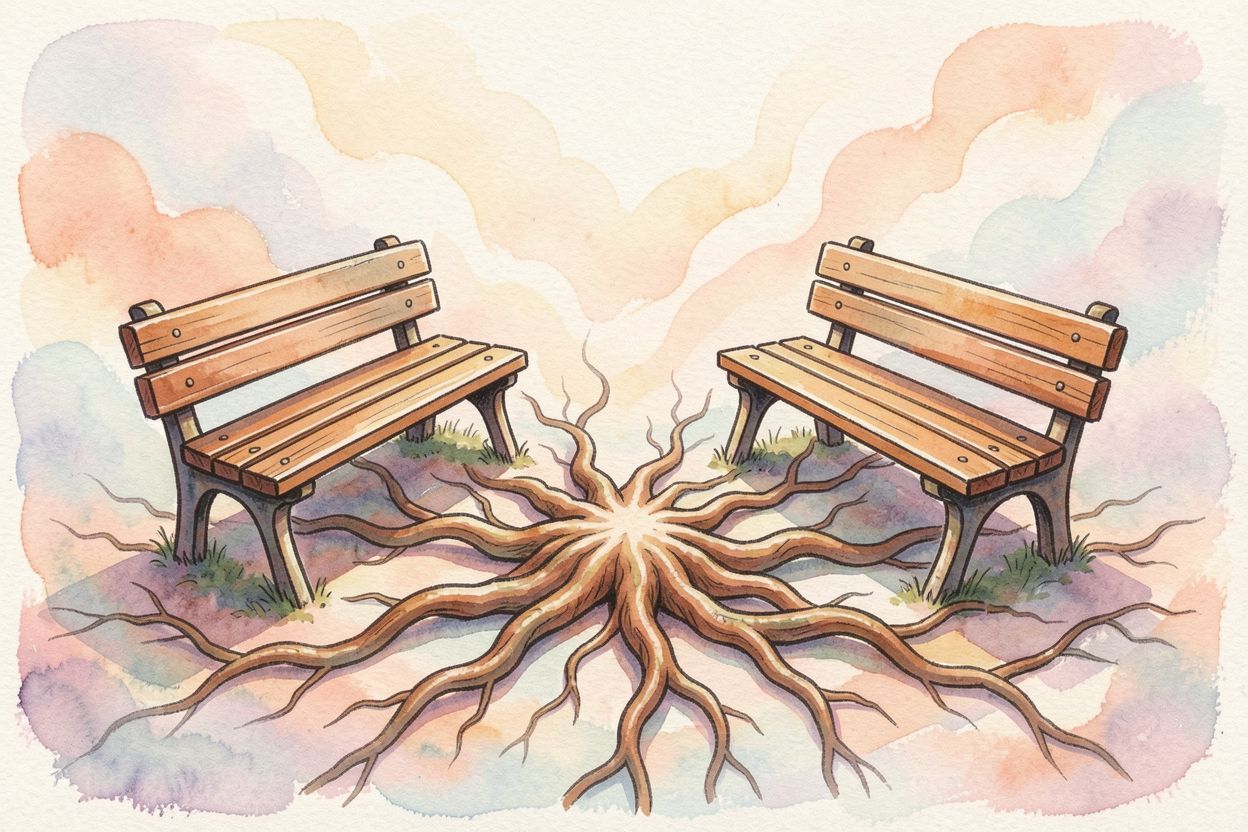
What we know with high confidence is this: the solutions must operate simultaneously at three scales. Personally, we must prioritize the awkward phone call over the sanitized text. Communally, we must advocate for park benches that face each other rather than walls, for libraries that remain open evenings, for housing designed to force neighborly recognition. Nationally, we must fund social prescribing and mandate that digital platforms optimize for relationship quality rather than engagement metrics.
Rebuilding the Commons
The loneliness epidemic is not a failure of individual character but a crisis of social infrastructure. We have spent decades optimizing for productivity and privacy while neglecting proximity. Reversing course requires acknowledging that connection is not a luxury commodity—something to purchase via therapy apps or networking events—but a public utility as essential as clean water.
Start small, but think structurally. This week, put your phone in the center of the table when dining with friends—the physical barrier reminds everyone to engage. But also attend your next city council meeting and ask why that new development lacks ground-floor communal spaces. The hundred deaths per hour will not decline through heroic individual efforts alone. They will decline when we recognize that belonging is built, not merely felt—constructed through policy, design, and the radical act of showing up, consistently, for people we do not yet know.