
The Happiness Hoax: Why Chasing Joy Makes It Disappear
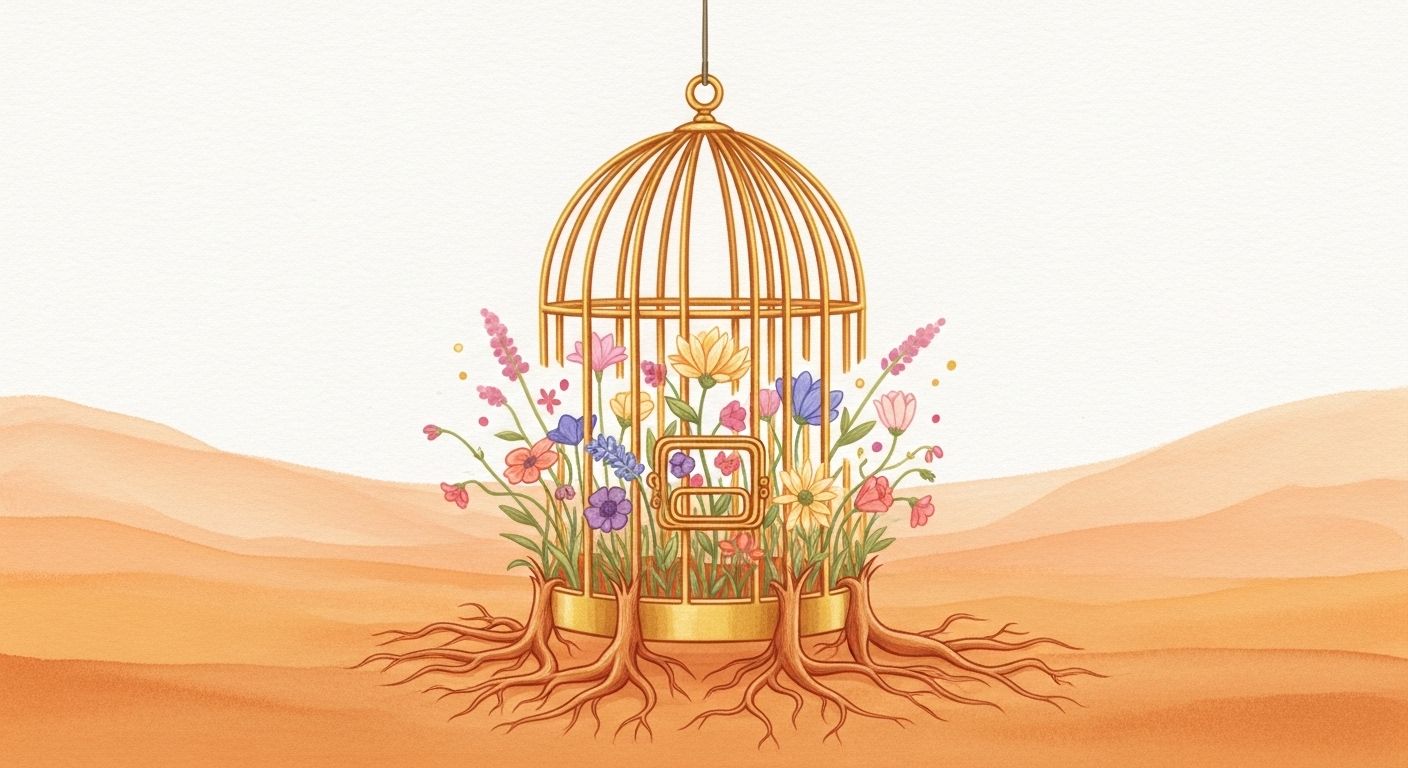
Consider the paradox of the rat in the cage. Wire its brain to stimulate what neuroscientists once called the «pleasure center,» and it will push the lever until it starves, ignoring food, mates, and sleep. The traditional explanation was simple: the rat was experiencing such intense bliss that it couldn’t stop. But here’s the twist—decades of research have revealed that the rat wasn’t happy at all. It was trapped, not in pleasure, but in craving.
This discovery upends everything we think we know about happiness. Your brain doesn’t contain a single «joy switch» flooded by four magical «feel-good chemicals.» Instead, happiness is a contested territory in your skull—a storm of signals between wanting and liking, between the desperate reach for reward and the quiet saturation of contentment. Understanding this distinction isn’t just academic; it’s the difference between a life spent chasing highs and one actually worth living.
The Chemical Quartet That Isn’t
You’ve heard them called the «Big Four»: dopamine, serotonin, oxytocin, and endorphins. Pop psychology sells them like vitamins—boost your serotonin for mood, spike your dopamine for motivation, release oxytocin for love. But this chemical shopping list misses the revolution happening in neuroscience.
Let’s start with the betrayal. Dopamine—the molecule most associated with happiness—does not, in fact, generate pleasure. According to the research of Kent Berridge and Morten Kringelbach, what dopamine actually produces is incentive salience: the magnetic pull of «wanting.» When you smell coffee brewing, see a text from someone you desire, or hear the slot machine start to chime, that’s dopamine—a neurological itch, not a scratch.
The actual feeling of bliss, the «liking» component, arises from entirely different substances: opioids and endocannabinoids acting within microscopic zones called hedonic hotspots. These aren’t sprawling pleasure parks; they’re pinpricks of tissue, roughly one cubic millimeter in rodent brains (extrapolated to about one cubic centimeter in humans), buried deep within structures like the nucleus accumbens and ventral pallidum. When stimulated, these hotspots can double or triple hedonic reactions to sweetness. Without them, you can want something desperately while hating every moment of having it.
Serotonin plays yet another role—not the euphoric spike, but the steady hum of «non-wanting.» It signals that resources are sufficient, that you have status, that you belong. Oxytocin, often marketed as the «love hormone,» facilitates social bonding but also dark emotions like jealousy; it lasts only three to four minutes per burst, explaining why a single hug isn’t enough to sustain happiness. Endorphins serve as natural painkillers, but the «runner’s high» you were taught to attribute to them may actually belong to endocannabinoids like anandamide—lipid molecules that slip across the blood-brain barrier more easily than endorphins.
The Architecture of Wanting
Your brain’s reward system is less like a thermostat and more like a contested city. The ventral tegmental area manufactures dopamine and ships it along the mesolimbic pathway to the nucleus accumbens—the brain’s Grand Central Station for motivation. But within that station lies a sophisticated «affective keyboard»: the anterior region generates desire, while the posterior triggers dread. Context is everything. The same neurochemical soup can taste like anticipation or anxiety depending on which neurons fire.
This is where the ABC Model of happiness becomes crucial. Neuroscientists now classify happiness not as a monolithic state, but as three distinct biological experiences:
- Type A (Wanting/Approach): Dopamine-driven, reward-seeking, the thrill of the chase. This is the happiness of ambition, novelty, and cocaine.
- Type B (Avoiding/Departure): Norepinephrine and opioid-driven, the relief of escaping threat—pain stopping, danger receding.
- Type C (Non-wanting/Staying): Oxytocin and serotonin-driven, the profound contentment of safety, trust, and presence without striving.
The tragedy of modern life is our obsessive optimization for Type A, leading to cycles of craving and crash, while neglecting Type C—the sustainable, sustaining joy that requires nothing new to happen.
The Genetics of Contentment—and Its Limits
If happiness feels effortless for some and elusive for others, genetics isn’t just an excuse—it’s a measurable substrate. Twin studies reveal that 35–50% of happiness variance is heritable, with the stable component of well-being reaching up to 80% heritability over time. Specific genes like 5-HTTLPR (the serotonin transporter gene) show measurable effects: carriers of the long allele report 8–17% higher life satisfaction than those with the short variant.
But here’s the critical caveat: up to 60% of your subjective well-being remains malleable, sculptable through behavior that recalibrates these chemical systems. The catch? Duration matters. Oxytocin’s boost from a single act of kindness evaporates in minutes. Dopamine spikes from achievements create tolerance, requiring ever-larger wins to feel the same lift. Sustainable happiness isn’t about chasing chemical surges; it’s about training your brain’s architecture through consistent practice.
Exercise naturally elevates dopamine and serotonin while triggering endocannabinoid release. Mindfulness strengthens prefrontal regulation over the amygdala, reducing threat sensitivity that depletes happiness. Social connection—touch, trust, shared laughter—repeatedly pulses the oxytocin system until it remodels the HOME circuit (Habenula-Interpeduncular-Orbitofrontal pathway), encoding social safety as baseline.
The U-Curve Surprise
Perhaps the most counterintuitive finding in happiness research is what happens as we age. Despite physical decline, cognitive slowing, and the accumulation of loss, happiness follows a U-shaped curve across the lifespan. It peaks in early adulthood, crashes through the 40s and early 50s (the infamous «midlife crisis» has biological correlates), then rises steadily, with adults over 55 reporting the highest well-being.
This «satisfaction paradox» suggests a neurobiological retuning. As dopamine systems become less reactive to novelty—the «wanting» fades—the elderly brain shifts toward Type C happiness. Reduced reactivity becomes reduced anxiety. The prefrontal cortex, after decades of practice, becomes more efficient at emotional regulation. Social networks, pruned to the essential, pulse with oxytocin without the turbulence of status anxiety. We don’t find happiness because we succeed; we find it when our brains stop trying so hard to win.
The Poison and the Cure
The final complication is the proximity of pain. The same neural architecture that generates happiness processes addiction and heartbreak. Romantic attraction floods the brain with dopamine in patterns indistinguishable from cocaine use—a surge that deactivates the prefrontal cortex, explaining the temporary insanity of early love. Heartbreak activates the anterior cingulate cortex, the same region that processes physical pain; social rejection hurts because it literally uses the pain matrix.
This overlap explains why the chase for happiness so often leads to suffering. Artificially spiking dopamine through substances or compulsive behaviors—gambling, doom-scrolling, sugar—dysregulates the reward system. The hedonic hotspots remain, but the motivation system becomes a prison of insatiable wanting without liking.
Working With Your Brain, Not Against It
So what is the practical neuroscience of a happy life? It begins with abandoning the pursuit of «happy chemicals» as if they were fuel for a machine. Instead, it requires a portfolio approach:
Balance the three types. Pursue goals for Type A satisfaction, but schedule deliberate «non-wanting»—meditation, nature immersion, presence with loved ones—to activate Type C. Recognize Type B (relief) as the happiness of recovery, not just escape.
Respect the hotspots. Since genuine pleasure requires opioid and endocannabinoid signaling, prioritize activities that stimulate these safely: vigorous exercise (but not punishment), laughter, shared meals, creative flow states. Avoid the dopamine-only trap of endless scrolling or shopping.
Accept the genetics, own the 60%. Your baseline may be set, but the architecture is plastic. One kind act won’t change your brain, but ten thousand will. One meditation session won’t rewire the amygdala, but ten thousand will.
The rat with the lever died wanting. The science is clear: the path to joy runs not through craving, but through the quiet cultivation of «enough.» Your brain already contains the map—you just need to stop trying to mine it for gold, and start tending it as a garden.