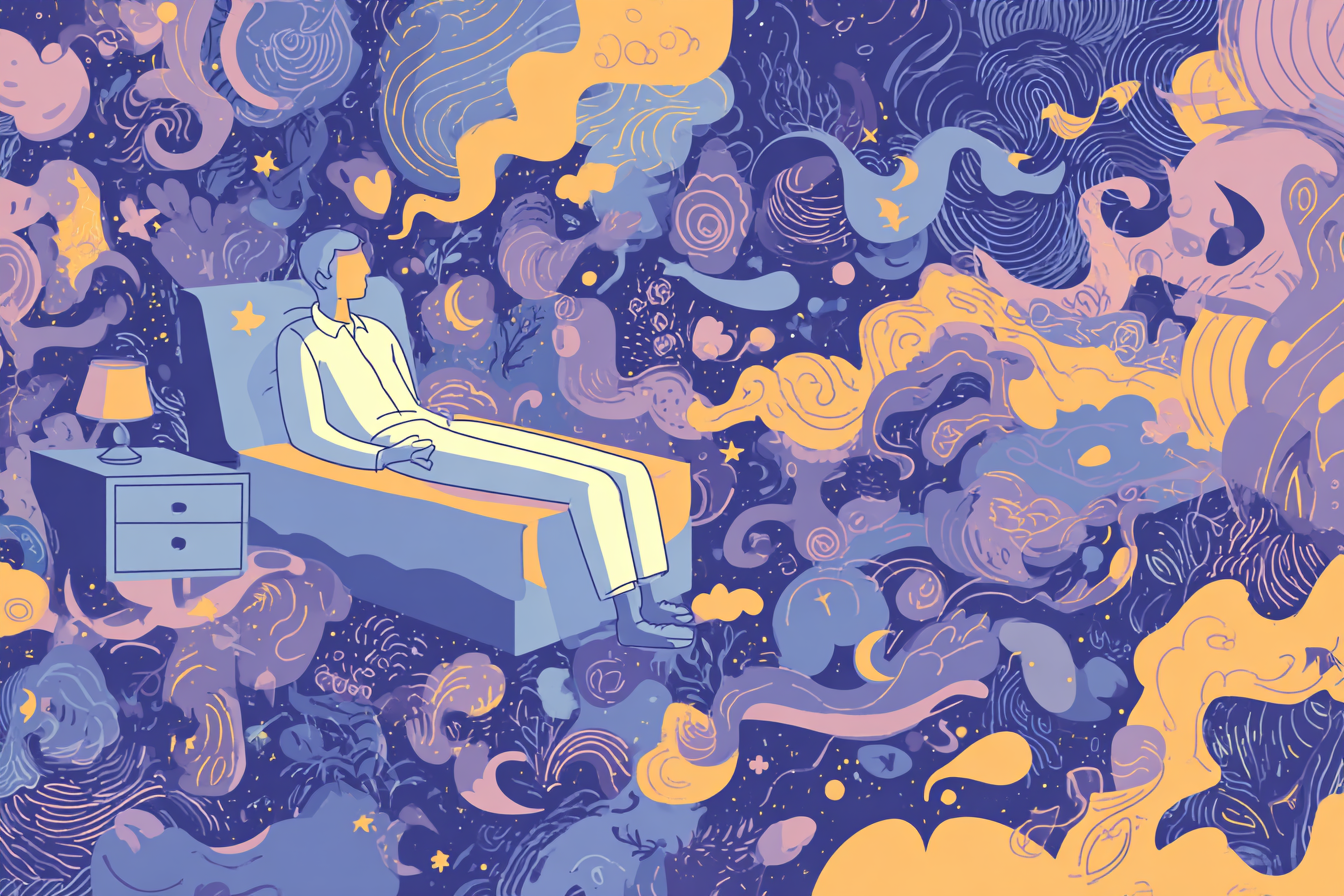

The Brutal Irony of Sleep
You are trying too hard.
Most people who struggle with sleep eventually resort to extreme measures: expensive weighted blankets, prescription sleep aids, or desperate attempts to «catch up» on weekends by hibernating until noon. Yet the most powerful intervention for better rest requires none of these. It demands something far more difficult—going to bed at the same time every single night, including Friday and Saturday.
According to multiple medical institutions, including the Mayo Clinic and MD Anderson Cancer Center, sleep schedule consistency outperforms every other sleep hygiene intervention. Your circadian rhythm isn’t designed for shift work on weekends. When you sleep until 10 AM on Saturday after waking at 6 AM all week, you essentially give yourself jet lag—without leaving your bedroom. The research is unambiguous: consistency reinforces your body’s sleep-wake cycle more effectively than extending your hours in bed.
The 67-Degree Solution
But let’s say you’ve mastered the schedule and still stare at the ceiling. Your bedroom is likely fighting against you, specifically the thermostat. The optimal temperature for sleep isn’t «comfortable» by daytime standards—it’s actually slightly chilly.
Sleep scientists converge on a narrow range: 60 to 67 degrees Fahrenheit (15-19°C). Here’s why this matters: your core body temperature needs to drop by one to two degrees to initiate sleep. A warm room interrupts this biological mandate. Meanwhile, blue light—the glow emanating from phones, tablets, and televisions—suppresses melatonin production by up to 50%, effectively convincing your brain that it’s still noon when you’re trying to wind down.
The data on screen use paints a damning picture. Among college students, 94% spend time on social media before bed at least three nights per week, and 76% watch TV shows. This isn’t just a youth problem—it’s a human problem of bringing our waking world into our sleeping space.
The Chemical Clock
Your afternoon coffee might be the culprit behind tonight’s restlessness. Caffeine has a half-life of six to eight hours, meaning that 3 PM latte is still swimming in your system at 11 PM. The MD Anderson Sleep Center recommends stopping caffeine by early afternoon and limiting total daily intake to two servings.
But caffeine isn’t the only sneaky saboteur. That nightcap? Alcohol initially acts as a sedative, but it disrupts REM sleep in the second half of the night, leaving you groggy rather than restored. Nicotine creates a different problem—withdrawal symptoms during sleep that cause restlessness you won’t even remember in the morning, but your sleep quality will reflect it.
Why 94% of Us Are Doing Bedtime Wrong
Here’s where the story gets complicated. While conventional wisdom (and most sleep doctors) rail against screens before bed, one recent study of Italian college students found that electronic device use at bedtime wasn’t statistically associated with sleep impairment in their sample. This doesn’t mean Netflix is now a sleep aid—it suggests the relationship between technology and sleep is more nuanced than «screens equal bad sleep.» Individual differences matter, and passive scrolling might affect you differently than active gaming or work emails.
Still, the melatonin data holds firm. If you must use devices, the science suggests a hard stop 30 minutes before sleep, ideally two hours. Your brain’s melatonin production begins with darkness; even small amounts of light can shift your circadian rhythm.
The Exercise Paradox
Regular physical activity improves sleep quality—if you time it correctly. The sweet spot is completing vigorous exercise at least two hours before bedtime. Your body needs time to cool down from the stimulating effects of movement. The recommendation stands at 150 minutes of moderate exercise per week, but doing it right before bed can leave you wired when you want to be tired.
Small Beats Big
Perhaps the most liberating finding in recent sleep research is that microscopic changes outperform dramatic overhauls. Sleep scientists from Hatch found that «micro-actions»—dimming lights 30 minutes before bed, brief breathing exercises, keeping a consistent wind-down routine—carry lower cognitive loads than elaborate sleep protocols. Your brain doesn’t resist them the way it resists complex behavioral changes.
The timeline is straightforward:
- 2-3 hours before bed: Last call for caffeine and exercise
- 1-2 hours before: Dim the lights, start mentally decelerating
- 30 minutes before: Screens off, relaxation practices begin
- If awake for 20+ minutes: Leave the bedroom. Read something boring until sleepy
The Honest Truth About Sleep Needs
Most adults need 7 to 9 hours, with the majority functioning optimally on 7 to 8. But here’s the caveat: individual variation is real. Some people genuinely function well on 6 hours; others need 10. The problem is that most people who claim they do fine on minimal sleep are simply accustomed to being tired.
If you’ve maintained a consistent schedule, optimized your environment to 60-67 degrees, eliminated late-day caffeine, and created a screen-free wind-down ritual for three to four weeks without improvement, the issue may be clinical insomnia. That’s when Cognitive Behavioral Therapy for Insomnia (CBT-I)—not sleeping pills—becomes the evidence-backed recommendation. It boasts higher success rates for chronic sleep issues than any medication, though it requires professional guidance.
The science of sleep hygiene isn’t about perfection. It’s about removing the friction between your biology and your environment. You don’t need to overhaul your life; you need to pick the lock with the right combination: consistent timing, cool darkness, and chemical discipline. Everything else is just noise keeping you awake.